

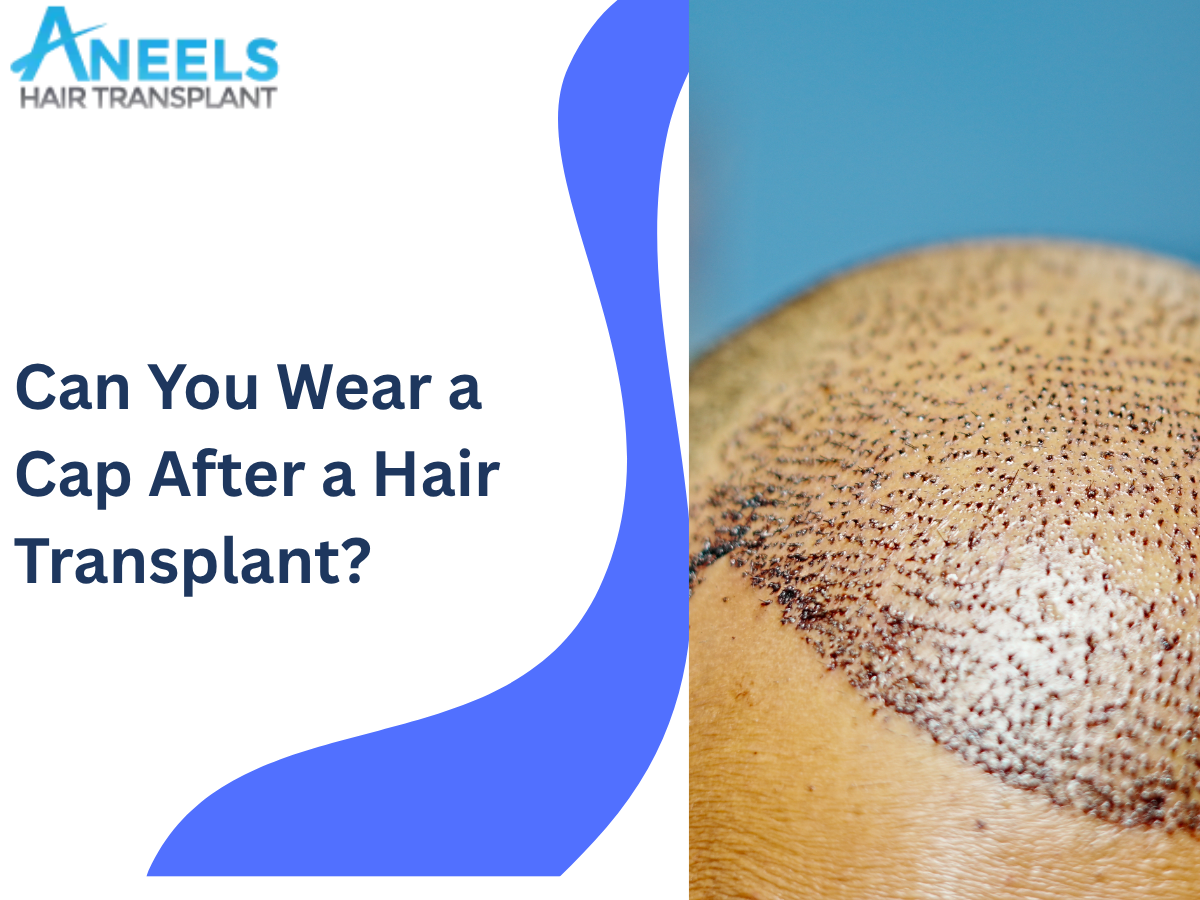
Can You Wear a Cap After a Hair Transplant?
One of the most common questions patients ask after surgery is: Can you wear a cap after a hair transplant? Since the scalp remains sensitive during the healing process, many people are concerned about protecting the transplanted area while also maintaining comfort and privacy in public.
The answer is yes, but timing and the type of cap matter significantly. Wearing a cap too early or using the wrong material can interfere with healing and potentially affect newly implanted grafts. This guide explains when it is safe to wear a cap after a hair transplant, what type of headwear is recommended, and what precautions you should take during recovery.
Why Patients Want to Wear a Cap After Hair Transplant
Many patients prefer wearing a cap after surgery for practical reasons, such as:
- Protecting the scalp from dust and sunlight
- Concealing redness or scabs
- Feeling more comfortable in public
- Reducing exposure to environmental pollutants
While these concerns are understandable, it is important to avoid placing pressure on newly implanted grafts during the early healing phase.
Why the First Few Days Are Critical
After a hair transplant, grafts are delicate and need time to anchor securely into the scalp.
During the first few days:
- Hair follicles are highly sensitive
- Friction or pressure may damage grafts
- Healing and blood circulation are still stabilizing
This is why surgeons advise extreme caution regarding hats, caps, or any headwear immediately after surgery.
When Can You Wear a Cap After a Hair Transplant?
First 3–5 Days: Avoid Caps Completely
Most surgeons recommend avoiding caps entirely during the initial healing phase.
Why?
- Grafts are not fully secure yet
- Tight contact can dislodge follicles
- Friction may affect graft survival
During this period, it is best to keep the transplanted area untouched as much as possible.
After 5–7 Days: Loose Caps May Be Allowed
In many cases, patients may wear a loose-fitting cap after about one week, depending on healing progress.
However:
- The cap should not touch the grafts aggressively
- It must be clean and breathable
- It should be worn gently without pressure
At Aneels Hair Transplant, patients receive personalized advice based on their recovery and scalp condition.
Best Types of Caps to Wear After Hair Transplant
Not all caps are suitable during recovery. Choosing the right material and fit is important.
Recommended Options
1. Loose Baseball Caps
A soft, adjustable baseball cap may be suitable after the initial healing phase.
2. Bucket Hats
These provide shade and minimal pressure on the scalp.
3. Soft Cotton Caps
Breathable cotton materials help reduce irritation and allow airflow.
Caps to Avoid After Hair Transplant
Certain types of headwear should be avoided because they can damage grafts or irritate the scalp.
Avoid:
- Tight caps or fitted hats
- Helmets during early recovery
- Wool or rough materials
- Heavy headwear that presses against the scalp
These can increase friction, sweating, and discomfort during healing.
How to Wear a Cap Safely After a Hair Transplant
If your surgeon allows you to wear a cap, follow these precautions:
1. Wear It Loosely
Avoid any pressure on the recipient area.
2. Put It On Carefully
Do not drag the cap across grafts. Gently place it over the head.
3. Keep It Clean
Dirty caps can introduce bacteria and increase infection risk.
4. Avoid Wearing It for Long Hours
Extended use may increase sweating and irritation.
Can Wearing a Cap Affect Hair Growth?
Wearing a cap properly after the healing period does not affect long-term hair growth.
However, problems may occur if:
- Caps are worn too early
- Excess pressure damages grafts
- Poor hygiene causes infection
When used correctly, caps are generally safe once the scalp has stabilized.
What About Sun Protection?
Protecting the scalp from sunlight is important after surgery because the transplanted area is highly sensitive. During the first few weeks:
- Avoid direct sun exposure
- Use approved head coverings if necessary
- Avoid excessive heat and sweating
A loose, breathable cap can help protect the scalp once your surgeon approves its use.
When Can You Wear Helmets Again?
Patients who ride motorcycles or bicycles often ask about helmets.
Since helmets apply firm pressure to the scalp, they are usually avoided for:
- At least 2–3 weeks after surgery
Always consult your surgeon before resuming helmet use.
Common Mistakes Patients Make
Many patients unintentionally slow healing by:
- Wearing tight caps too early
- Using unclean hats
- Keeping caps on for long periods
- Ignoring surgeon’s instructions
Avoiding these mistakes helps ensure better graft survival and smoother recovery.
Signs Your Scalp Is Healing Properly
You can usually wear head coverings more safely once:
- Scabs have mostly healed
- Redness has reduced
- There is no tenderness or bleeding
- Grafts are securely settled
Healing varies from patient to patient, which is why individualized guidance is important.
Why Proper Aftercare Matters
Hair transplant success depends not only on the procedure but also on proper recovery care. Protecting newly implanted grafts during the first few weeks is essential for achieving natural and long-lasting results.
Final Comments
So, can you wear a cap after a hair transplant? The answer is yes—but only at the right time and with proper precautions. During the first few days, it is best to avoid caps completely to protect delicate grafts. Once healing begins, loose and breathable headwear may be used carefully under your surgeon’s guidance.
Proper aftercare, including safe use of caps and head coverings, plays a major role in protecting grafts and ensuring successful hair growth.
At Aneels Hair Transplant, patients receive expert care and personalized recovery instructions from Dr. Aneel Riaz Batalvi, helping them achieve safe healing and natural-looking hair restoration results.




Customer Reviews
Showing 0 reviews
Thanks for submitting your comment!