

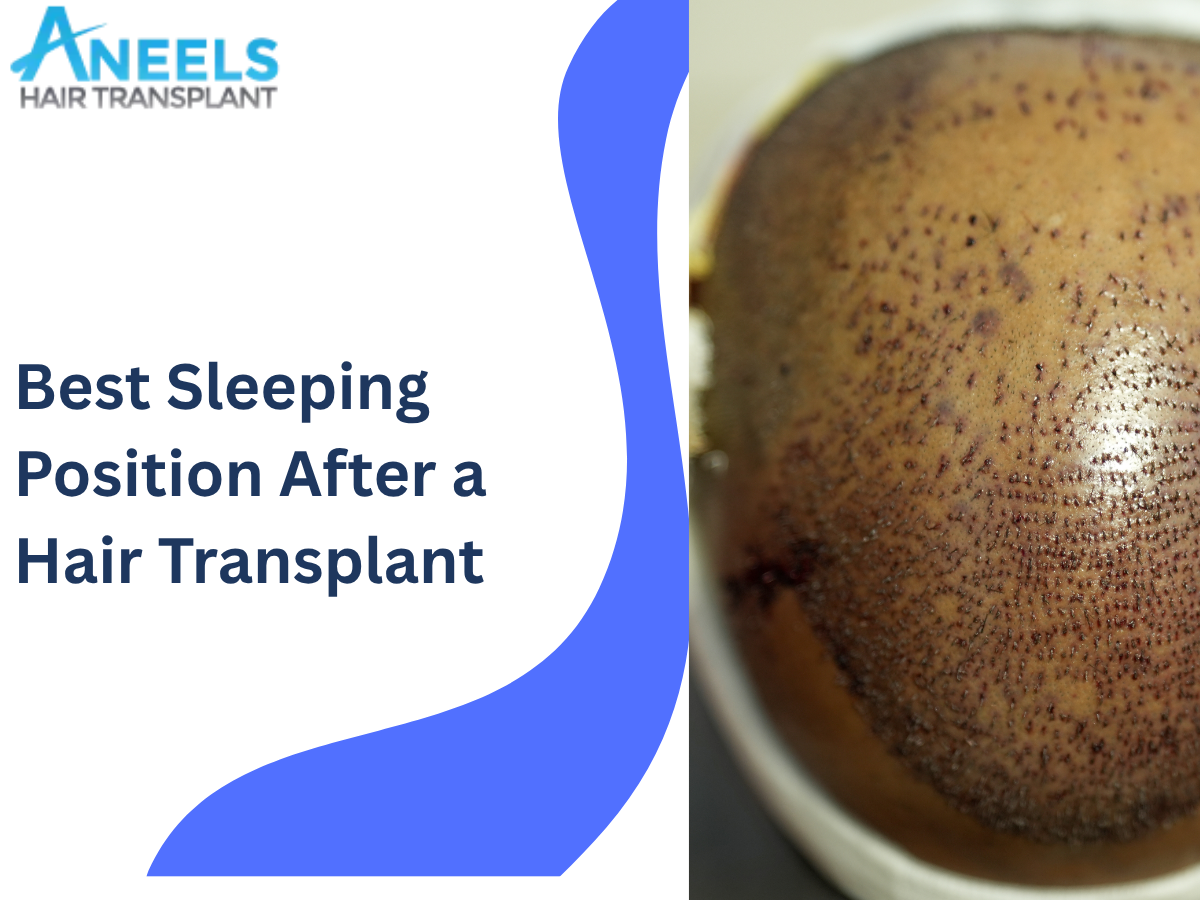
Best Sleeping Position After a Hair Transplant
A hair transplant is a delicate procedure that requires proper aftercare to ensure successful healing and optimal hair growth. One of the most important yet often overlooked aspects of recovery is your sleeping position after a hair transplant. The way you sleep during the first few days can directly affect graft survival, swelling, and overall healing.
Many patients unknowingly put pressure on newly transplanted grafts while sleeping, which can increase discomfort and potentially affect results. Understanding the correct sleeping practices helps protect your scalp and supports a smoother recovery process.
At Aneels Hair Transplant, patients receive detailed post-operative guidance from Dr. Aneel Riaz Batalvi (M.B.B.S, M.R.C.S), a Shelly A. Friedman award-winning Diplomat of the American Board of Hair Restoration Surgery (ABHRS) with over 19 years of experience in hair restoration surgery.
Why Sleeping Position Matters After a Hair Transplant
After a hair transplant, the newly implanted grafts are extremely delicate during the initial healing phase. Improper sleeping positions can:
- Put pressure on grafts
- Increase swelling
- Cause irritation or bleeding
- Delay healing
- Increase the risk of graft dislodgement
Proper sleeping posture protects the transplanted area and allows grafts to settle securely into the scalp.
Best Sleeping Position After Hair Transplant
Sleep on Your Back
The best sleeping position after a hair transplant is on your back with your head elevated.
This position:
- Prevents direct contact with the transplanted area
- Minimizes swelling
- Reduces friction on grafts
- Improves blood circulation
Sleeping upright or semi-upright is strongly recommended during the first few nights after surgery.
How to Elevate Your Head Properly
Use Multiple Pillows
Keep your head elevated at approximately a 30–45 degree angle.
You can do this by:
- Using 2–3 pillows
- Sleeping in a recliner chair
- Using a travel neck pillow for extra support
Elevation helps reduce fluid accumulation around the forehead and eyes, minimizing post-operative swelling.
Why a Neck Pillow Is Helpful
A travel neck pillow is often recommended because it:
- Prevents unnecessary head movement
- Keeps your scalp from rubbing against pillows
- Helps maintain the correct sleeping posture
This can be especially useful during the first week after surgery.
How Long Should You Sleep Elevated?
Most surgeons recommend sleeping with your head elevated for at least:
- 5–7 days after the procedure
In some cases, especially after large sessions, elevation may be advised for a longer period depending on swelling and healing.
At Aneels Hair Transplant, patients receive personalized recovery instructions based on their procedure and scalp condition.
Sleeping Positions to Avoid
1. Sleeping on Your Stomach
Sleeping face down is one of the worst positions after a hair transplant because it can:
- Put direct pressure on grafts
- Cause friction and irritation
- Increase the risk of graft displacement
2. Sleeping on Your Side
Side sleeping may also place pressure on transplanted areas, especially around the hairline or temples.
This position can:
- Disturb grafts
- Increase swelling on one side of the face
- Slow healing
3. Tossing and Turning During Sleep
Excessive movement during sleep can accidentally damage newly implanted follicles.
Using supportive pillows helps limit movement and keeps the scalp protected.
What Happens If You Accidentally Touch the Grafts While Sleeping?
Many patients panic if they accidentally touch their grafts during sleep. In most cases, minor contact does not cause serious damage.
However, if there is:
- Bleeding
- Severe pain
- Visible graft displacement
you should contact your surgeon immediately.
The first few days are the most critical because grafts are still settling into place.
Managing Swelling During Sleep
Swelling usually appears within the first few days after surgery and may move toward the forehead or around the eyes.
To reduce swelling:
- Keep your head elevated
- Avoid bending forward excessively
- Drink enough water
- Follow prescribed medications
Proper sleeping posture is one of the most effective ways to control swelling naturally.
Tips for Comfortable Sleep After Hair Transplant
Sleeping comfortably after surgery can be challenging at first, but these tips can help:
1. Prepare Your Sleeping Area
Arrange pillows before bedtime to maintain the correct position.
2. Wear Comfortable Clothing
Loose and comfortable clothes help you sleep better without irritating the scalp.
3. Avoid Caffeine Before Bed
Reducing caffeine intake may help improve sleep quality.
4. Follow Medication Instructions
Take prescribed medications on time to reduce discomfort and improve rest.
When Can You Return to Normal Sleeping Positions?
Most patients can gradually resume normal sleeping positions after:
- 7–10 days, once grafts are secure and healing has progressed
However, recovery varies from person to person. Always follow your surgeon’s recommendations.
Signs of Healthy Healing During Sleep Recovery
Normal signs include:
- Mild swelling that gradually improves
- Minimal discomfort
- Scabs forming and healing naturally
- No bleeding during sleep
If you experience severe swelling, signs of infection, or excessive pain, seek medical advice.
Why Proper Aftercare Is Essential
A successful hair transplant depends not only on the procedure itself but also on post-operative care. Sleeping correctly during the first week can significantly improve graft survival and healing.
At Aneels Hair Transplant, patients receive detailed recovery guidance from Dr. Aneel Riaz Batalvi, ensuring every stage of healing is managed carefully and professionally.
Final Comments
Understanding the correct sleeping position after a hair transplant is an important part of recovery. Sleeping on your back with your head elevated helps protect grafts, reduce swelling, and support healthy healing.
Avoiding pressure on the transplanted area during the first week can make a significant difference in your final results. While recovery requires patience and care, following the right sleeping practices ensures a smoother healing process and better long-term outcomes.
With expert guidance and proper aftercare, patients can confidently move through recovery and enjoy natural, lasting hair restoration results.




Customer Reviews
Showing 0 reviews
Thanks for submitting your comment!