...
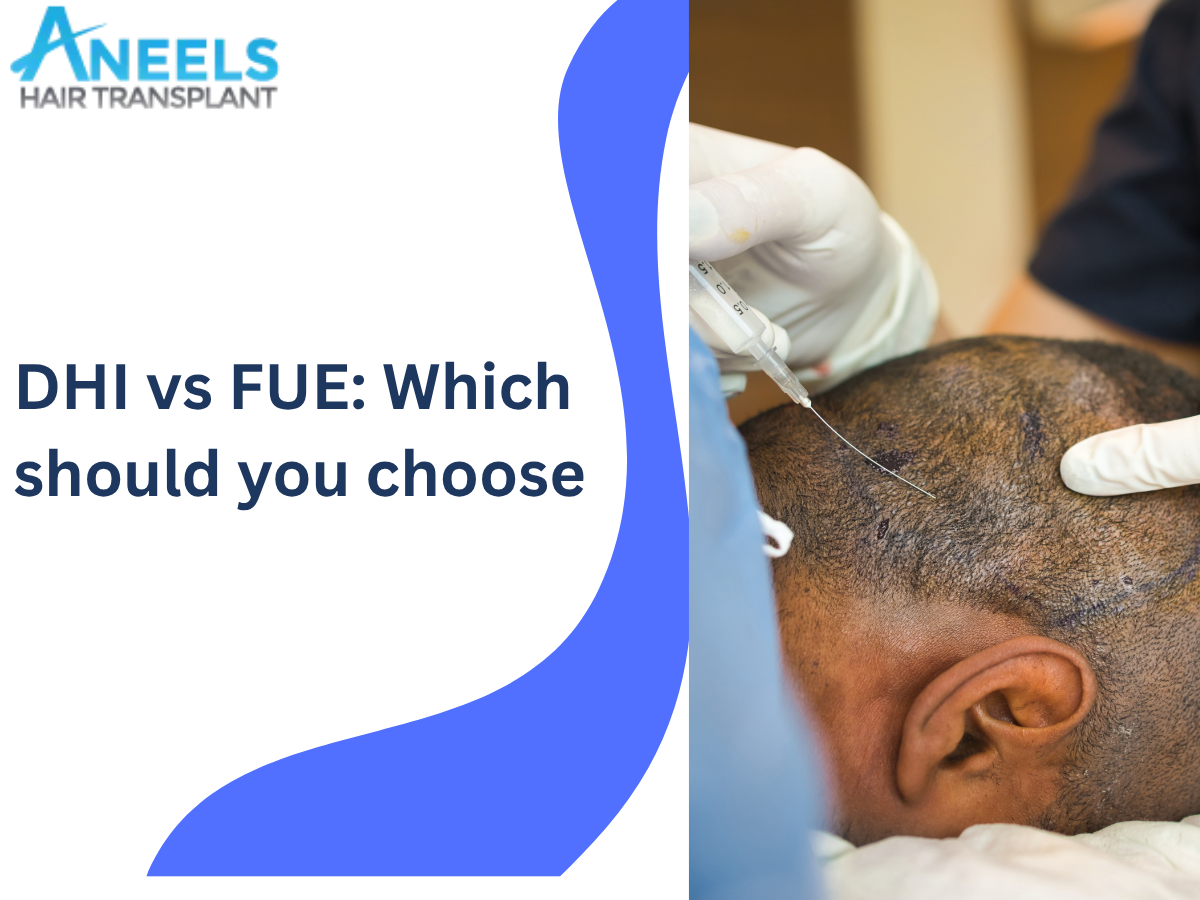
DHI vs FUE

DHI vs FUE: Which Hair Transplant Is Right for You?

If you have been researching hair restoration in Lahore, two terms keep coming up: FUE and DHI. Both are advanced, minimally invasive techniques. Both produce natural results in the right hands. Yet they are not the same procedure, and the differences matter for cost, comfort, recovery, and the final look of your hairline. This guide breaks down how DHI and FUE actually differ, who each method suits best, and how to decide which one is right for you.

What Is FUE Hair Transplant?

FUE, or Follicular Unit Extraction, is the technique most patients in Pakistan are already familiar with. The surgeon uses a fine micro-punch to remove individual follicular units from the donor area, usually the back and sides of the scalp. Tiny channels are then created in the balding zone, and the grafts are placed into those channels one by one.

FUE hair transplant is valued because it leaves no linear scar, suits both men and women, and offers strong, natural results. Variations such as Sapphire FUE refine the technique further by using sapphire blades to open finer recipient sites.

What Is DHI Hair Transplant?

DHI stands for Direct Hair Implantation. It is a refined version of FUE that uses a specialised instrument called the Choi Implanter Pen. The extraction stage is essentially the same as FUE, but the implantation stage is different. Instead of creating recipient channels first and then placing the grafts, the surgeon does both in a single motion: the pen creates the opening and deposits the follicle at the same instant.

This single-step placement is what gives DHI its reputation for fine control over the angle, depth, and density of each follicle.

DHI vs FUE: The Key Differences

On the surface, DHI and FUE share more than they differ. Both extract follicles individually, both use local anaesthesia, both leave minimal scarring, and both produce permanent results when performed by an experienced surgeon. Where they part ways comes down to a handful of practical points.

Implantation method. This is the defining difference. FUE separates channel creation and graft placement into two steps. DHI combines them using the Choi pen. The result is that a DHI surgeon controls the angle and direction of every follicle at the moment it enters the scalp.

Time outside the body. Grafts are most fragile between extraction and placement. Because DHI implants follicles almost immediately after extraction, the time outside the body is shorter, which is associated with strong graft survival.

Shaving. FUE usually requires the recipient and donor areas to be shaved or trimmed. DHI can often be performed without a full shave in suitable cases, which is one reason it is popular for hair transplant for women and for patients who want to return to work discreetly.

Density and precision. DHI is particularly strong for detailed work such as hairline design, eyebrow restoration, and small zones where high density and a natural angle are critical. FUE remains an excellent all-rounder and is often the better choice when very large areas need coverage in a single session.

Procedure time. Because each follicle is loaded into and released from the Choi pen one at a time, DHI tends to take longer per graft than FUE. For larger sessions, this can make FUE the more practical option.

Cost. The specialised tools, longer procedure time, and additional training mean DHI usually costs more than a standard FUE session. You can review current pricing in our breakdown of hair transplant cost and FUE hair transplant cost in Lahore.

Recovery. Both techniques are minimally invasive, and recovery is broadly similar. Most patients return to routine activities within a few days. The full hair transplant recovery timeline follows the same stages for both methods, with early shedding, dormancy, and gradual regrowth over the following months.

Which One Should You Choose?

There is no universal winner. The right method depends on the pattern and extent of your hair loss, the quality of your donor area, your lifestyle, and your goals.

DHI tends to be the stronger choice when

  • You want high density in a defined area, such as the hairline or crown
  • precise angle and direction matter, for example, in hairline design or eyebrow restoration
  • You prefer to avoid a full head shave
  • You have early to moderate hair loss with a healthy donor area
  • You are restoring small zones around existing native hair, where avoiding damage to surrounding follicles is critical

FUE tends to be the stronger choice when

  • You have extensive baldness and need a high graft count in one sitting
  • You want a balance of natural results and a more time-efficient session
  • Cost is a factor, and you still want a permanent, scar-light result
  • Your goal is broad coverage rather than ultra-fine density in a small area

For many patients, the honest answer is that either method will deliver an excellent outcome, and the deciding factor is the experience of the surgeon rather than the label on the procedure.

What About FUT?

It is worth noting that neither DHI nor FUE is the only option. FUT, the strip method, can still be the most efficient route when very large graft numbers are needed. A detailed comparison of FUE and FUT hair transplant is worth reading if you are weighing all three.

Results: What to Expect

Whichever method you choose, transplanted hair grows in stages. Early shedding is normal in the first weeks, followed by a quieter phase before new growth begins around the third month. Density continues to improve through months six to nine, with the final result visible at around twelve months. Some patients also experience temporary shock loss of native hairs, which typically recovers as the transplanted follicles mature.

Why Choose Aneels Hair Transplant

The instrument matters, but the hand that holds it matters more. At Aneels Hair Transplant in Lahore, every procedure is performed personally by Dr. Aneel Riaz Batalvi (M.B.B.S, M.R.C.S), with more than nineteen years of experience in hair restoration. Dr. Aneel is a Shelly A. Friedman award-winning Diplomate of the American Board of Hair Restoration Surgery (ABHRS) and a Gold Standard certified hair surgeon with the International Society of Hair Restoration Surgery (ISHRS). He is also a founder member of the Association of Hair Restoration Surgeons of Pakistan.

What truly sets our clinic apart is the surgeon's direct involvement at every stage. Dr. Aneel does not delegate incisions or graft placement to technicians, a practice that is unfortunately common elsewhere. That hands-on commitment is the reason our patients see consistent, natural, and lasting results across both FUE and DHI techniques.

If you are still unsure whether DHI or FUE is the right path for your hair loss, the most reliable next step is a professional assessment. Book a consultation with Aneels Hair Transplant today and let Dr. Aneel design a plan tailored to your hair, your goals, and your lifestyle.

Read more...
What is DHI Hair Transplant

What Is DHI Hair Transplant? Benefits, Process & Results

Hair restoration has advanced rapidly over the past decade, and one technique now draws a great deal of attention from patients in Lahore and across Pakistan: DHI, or Direct Hair Implantation. If you have been researching your options, you have probably come across the term alongside FUE and FUT and wondered what actually makes it different. This guide explains what DHI is, how the procedure works, who it suits, and what results you can realistically expect, so you can make an informed decision about your hair restoration journey.

What Is DHI Hair Transplant?

DHI, short for Direct Hair Implantation, is a refined form of the FUE hair transplant method. Like FUE, it involves extracting individual hair follicles from a donor area, usually the back and sides of the scalp, where hair is genetically resistant to thinning. The key difference lies in how those follicles are placed.

In a standard transplant, the surgeon first creates recipient channels in the balding area and then inserts the grafts into those channels as a separate step. DHI merges these two actions into one. Using a specialised instrument, the surgeon creates the recipient site and implants the follicle at the same time. This single-step placement gives DHI its reputation for precision and density, particularly along the hairline.

The Choi Implanter Pen: The Technology Behind DHI

The instrument that defines DHI is the Choi implanter pen, originally developed in South Korea. It is a slim, pen-shaped tool with a fine hollow needle at its tip, available in different diameters to match the size of each follicular unit.

The process is often described as stick-and-place. A loaded graft sits inside the hollow needle. When the surgeon presses the needle into the scalp at a chosen depth, a plunger releases the follicle into position in the same movement. Because the follicle spends very little time outside the body and is handled gently, this approach is associated with strong graft survival and a more controlled, natural growth angle.

How the DHI Procedure Works, Step by Step

While every patient is different, a DHI session generally follows a clear sequence.

First comes the consultation and planning stage. The surgeon assesses your pattern of hair loss, evaluates the density and quality of your donor area, and designs a hairline suited to your face and age. This step shapes the entire outcome, which is why a careful pre-transplant consultation matters so much.

Next is donor preparation and extraction. The donor area is numbed with local anaesthesia, so you remain awake and comfortable throughout. Individual follicular units are then extracted one by one using a fine micro-punch, which keeps trauma to the scalp low.

The extracted grafts are then loaded into the Choi pen and implanted directly into the recipient area. The surgeon controls the depth, angle, and direction of every follicle, which is what allows the final result to blend seamlessly with your existing hair.

Finally, you receive detailed aftercare instructions. Following these carefully supports healing and protects your new grafts during the critical early weeks.

DHI vs FUE vs FUT: What Sets It Apart

Understanding how these methods compare helps clarify where DHI fits. You can read a deeper breakdown in our guide on FUE and FUT hair transplants, but here is the short version.

FUT, the strip method, removes a band of scalp from the donor area and is well suited to cases needing a very large number of grafts in one session. It can leave a thin linear scar.

FUE extracts follicles individually and requires the surgeon to create recipient channels before placing the grafts. It leaves minimal, scattered marks rather than a single scar.

DHI uses the same gentle individual extraction as FUE but skips the separate channel-making step, placing each follicle directly with the Choi pen. The trade-off is precision and density against time: DHI is excellent for detailed work and natural hairlines, while FUE or FUT can be more efficient for covering very large bald areas.

Key Benefits of DHI Hair Transplant

Patients are drawn to DHI for several practical reasons:

  • High graft survival. Minimal handling and short time outside the body support healthy follicle survival and growth.
  • Natural-looking results. Precise control over angle and direction helps the transplanted hair grow in line with your natural pattern.
  • Greater density. Direct placement allows follicles to be positioned closely, which is valuable for filling in a thinning hairline.
  • No-shave options. In suitable cases, DHI can be performed without fully shaving the head, which many patients, especially women, prefer.
  • Minimal scarring and quick recovery. The technique is minimally invasive, with most patients returning to routine activities within a few days.

Who Is a Good Candidate for DHI?

DHI suits a wide range of people, but it is particularly well matched to certain situations. Good candidates typically have localised thinning or a receding hairline, a healthy donor area with sufficient density, and a goal of high, natural-looking density in a defined zone. It is also a strong option for women experiencing hair loss who wish to avoid shaving, and for delicate areas such as the hairline and eyebrows.

For patients with very extensive baldness needing maximum coverage in a single sitting, other methods may sometimes be more time-efficient. The only reliable way to know which technique fits you is a professional assessment with an experienced surgeon.

DHI Results: What to Expect

DHI is a permanent solution, because the transplanted follicles are taken from areas resistant to balding. Patience is still required, as hair growth follows a natural cycle. Most patients notice new growth from around three months, with fuller results developing over the following months, and the outcome is visible at about twelve months. For a complete view of each stage, see our hair transplant recovery timeline.

Why Choose Aneels Hair Transplant

The success of any DHI procedure depends far more on the skill of the surgeon than on the tool alone. At Aneels Hair Transplant in Lahore, every surgery is performed personally by Dr. Aneel Riaz Batalvi (M.B.B.S, M.R.C.S), a surgeon with over nineteen years of experience in hair restoration. Dr. Aneel is a Shelly A. Friedman award-winning Diplomate of the American Board of Hair Restoration Surgery (ABHRS) and a Gold Standard certified member of the International Society of Hair Restoration Surgery (ISHRS). He is also a founder member of the Association of Hair Restoration Surgeons of Pakistan.

What sets our clinic apart is simple: Dr. Aneel carries out every incision and placement himself, without delegating the surgery to technicians. That hands-on commitment is what allows us to deliver natural, lasting results that our patients trust.

If you are considering DHI or want to know which technique best suits your hair loss, book a consultation with Aneels Hair Transplant today and take the first confident step toward restoring your hairline.

Read more...
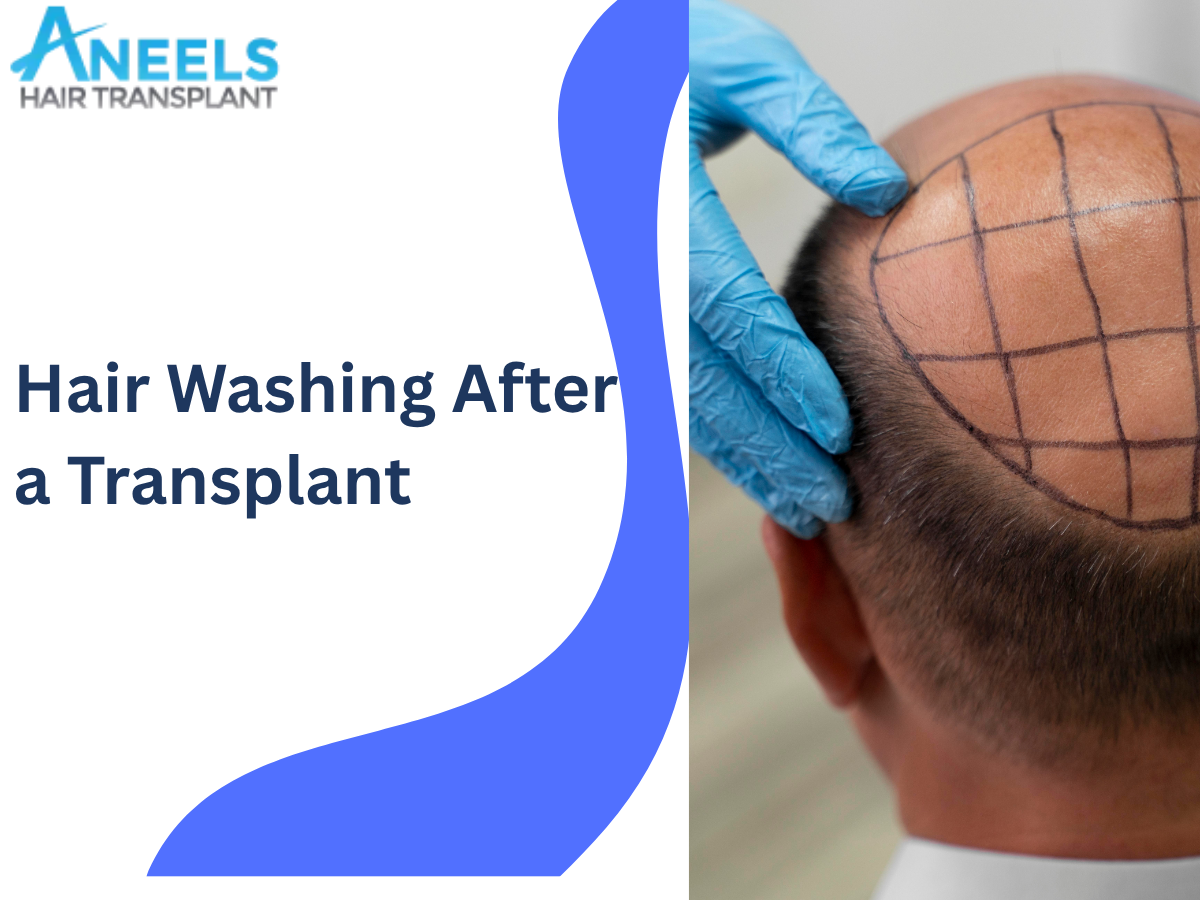
Hair Washing After a Transplant

Hair Washing After a Transplant: Complete Guide

Hair transplant surgery is a precise and delicate procedure, and proper aftercare is essential to achieve the best results. One of the most important aspects of recovery is hair washing after a transplant. Many patients feel anxious about when and how to wash their hair without damaging the newly implanted grafts.

Understanding the correct washing technique and timeline can help protect your grafts, promote healing, and support healthy hair growth. At our hair transplant clinic, every patient receives detailed aftercare instructions under the supervision of Dr. Aneel Riaz Batalvi (M.B.B.S, M.R.C.S), a Shelly A. Friedman award-winning Diplomat of the American Board of Hair Restoration Surgery (ABHRS) with over 19 years of experience. All procedures follow international standards set by the International Society of Hair Restoration Surgery (ISHRS).

Why Proper Hair Washing After Transplant Is Important

After a hair transplant, the scalp contains newly implanted grafts that need time to settle securely. Incorrect washing can:

  • Dislodge grafts
  • Cause infection
  • Delay healing
  • Affect final results

On the other hand, proper washing helps:

  • Keep the scalp clean
  • Remove scabs gently
  • Promote faster healing
  • Support healthy hair growth

When Can You Wash Your Hair After a Transplant?

The timing of your first wash is critical.

First 24–48 Hours

You should avoid washing your hair completely during this period. The grafts are still very delicate and need time to anchor in the scalp.

Day 3–5

You can usually begin gentle washing, but only according to your surgeon’s instructions.

At Aneels Hair Transplant, patients are guided step-by-step on when and how to start washing safely.

Step-by-Step Guide to Hair Washing After Transplant

Step 1: Apply a Gentle Lotion or Foam

Before washing, a moisturizing lotion or foam may be applied to soften scabs and hydrate the scalp. Leave it on for 20–30 minutes as advised.

Step 2: Use Lukewarm Water

Use lukewarm water only, not hot or cold. Pour water gently over your scalp using a cup or low-pressure shower.

Avoid direct water pressure on the transplanted area.

Step 3: Apply Mild Shampoo

Use a doctor-recommended, mild shampoo. Dilute it with water and gently apply it using your fingertips.

Do not rub, scratch, or massage the transplanted area.

Step 4: Rinse Gently

Rinse your scalp carefully with low-pressure water. Make sure all shampoo is removed without disturbing the grafts.

Step 5: Pat Dry Carefully

Use a soft towel to pat dry the scalp. Do not rub or apply pressure.

Let your hair air dry whenever possible.

What to Avoid While Washing Hair

To protect your grafts, avoid the following:

  • Strong water pressure
  • Scratching or rubbing the scalp
  • Using harsh shampoos or chemicals
  • Hot water
  • Hair dryers with high heat
  • Applying oils or styling products early

Following these precautions is essential for proper healing.

Hair Washing Timeline After Transplant

Understanding the washing timeline helps you care for your scalp properly.

Days 1–2

  • No washing
  • Keep scalp dry

Days 3–7

  • Gentle washing begins
  • Scabs start forming

Days 7–10

  • Scabs begin to fall off naturally
  • Washing becomes slightly easier

Days 10–14

  • Most scabs are gone
  • You can gradually return to a more normal washing routine

After 2 Weeks

  • Normal hair washing can usually resume
  • Continue using mild products

At Aneels Hair Transplant, personalized instructions ensure each patient follows the correct timeline based on their healing progress.

How to Remove Scabs Safely

Scabs are a normal part of healing and should never be removed forcefully.

Safe approach:

  • Continue gentle washing daily
  • Allow scabs to soften and fall off naturally
  • Avoid picking or scratching

Improper removal can damage grafts and affect hair growth.

Common Mistakes Patients Make

Many patients unintentionally harm their results by making avoidable mistakes:

  • Washing too early
  • Using strong water pressure
  • Scrubbing the scalp
  • Using regular shampoos too soon
  • Ignoring aftercare instructions

Avoiding these mistakes significantly improves your outcome.

When Can You Resume Normal Hair Care?

Most patients can return to a regular hair care routine after 10–14 days, but this may vary.

You can gradually:

  • Use normal shampoo
  • Increase water pressure
  • Resume light hair styling

However, always follow your surgeon’s advice for the best results.

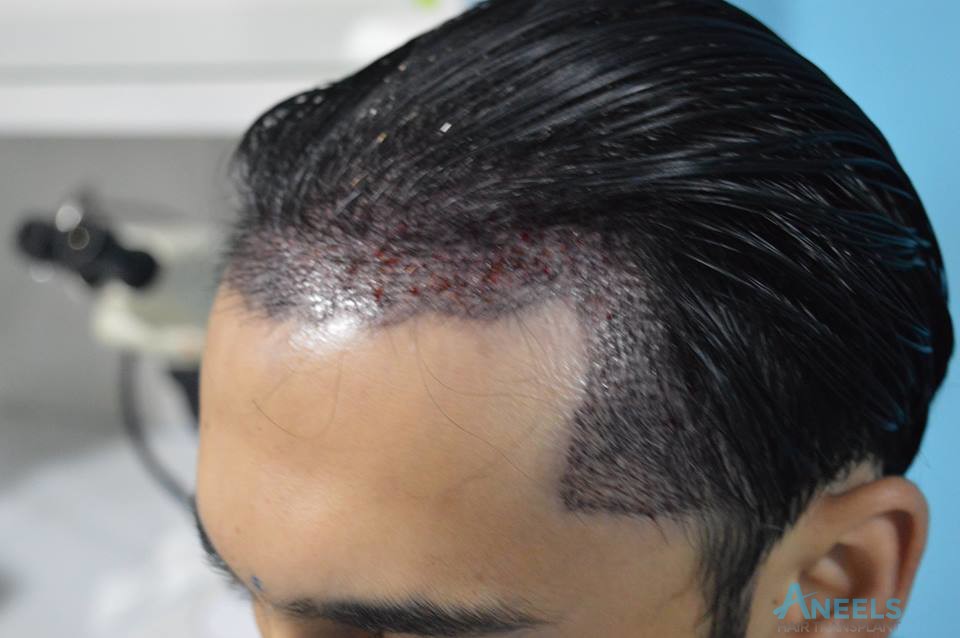
Signs of Healthy Healing

During recovery, it is important to recognize normal healing signs:

  • Mild redness that gradually fades
  • Scabs forming and falling off naturally
  • No excessive pain or swelling
  • Gradual improvement in scalp condition

If you notice unusual symptoms such as severe swelling, infection, or prolonged discomfort, consult your surgeon immediately.

Why Expert Aftercare Matters

Hair transplant success is not only about the procedure—it also depends on proper aftercare.

Dr. Aneel Riaz Batalvi ensures:

  • Detailed post-operative guidance
  • Personalized washing instructions
  • Continuous patient support
  • Optimal graft survival and results

As a Shelly A. Friedman award-winning ABHRS-certified surgeon and a Gold Standard Certified member of ISHRS, Dr. Aneel provides care that meets international standards.

Benefits of Proper Hair Washing After Transplant

When done correctly, proper washing helps:

  • Protect newly implanted grafts
  • Reduce risk of infection
  • Speed up healing
  • Improve hair growth quality
  • Ensure natural and long-lasting results

This simple step plays a major role in the success of your hair transplant.

Final Comments

Proper hair washing after a transplant is a crucial part of the recovery process. While it may seem simple, following the correct technique and timeline can make a significant difference in your final results.

By washing gently, avoiding harmful practices, and following expert guidance, you can protect your grafts and support healthy hair growth.

At Aneel's Hair Transplant, patients are guided at every step by Dr. Aneel Riaz Batalvi, a Shelly A. Friedman award-winning Diplomat of the American Board of Hair Restoration Surgery with over 19 years of experience. With personalized care and internationally recognized standards, patients can achieve safe recovery and natural, long-lasting hair restoration results.

Read more...
Aneels Hair Transplant(Islamabad)

Hair Transplant Cost in Lahore 2026| Updated Price

Hair loss can be a distressing experience for both men and women. For many, a hair transplant offers a permanent solution that restores not only hair but also confidence. In Lahore, the demand for hair restoration has significantly increased due to advancements in techniques such as FUE (Follicular Unit Extraction), FUT (Follicular Unit Transplant), and DHI (Direct Hair Implantation). One of the most frequently asked questions by patients is: What is the cost of a hair transplant in Lahore? This guide provides a comprehensive breakdown of hair transplant costs, factors that influence pricing, and what patients can expect when choosing Aneel’s Hair Transplant for their procedure.

Understanding Hair Transplant Procedures

Before diving into costs, it is important to understand the main techniques used:

  • FUE (Follicular Unit Extraction): The most commonly used method today. Individual hair follicles are extracted from the donor area (usually the back of the head) and transplanted into thinning or bald areas. This method is minimally invasive, leaves tiny scars that are hardly visible, and ensures natural-looking results.
  • FUT (Follicular Unit Transplantation): Also known as the strip method. A strip of scalp is removed from the donor area, divided into grafts, and implanted into bald spots. Though less common today, it can still be suitable for patients requiring a larger number of grafts.
  • DHI (Direct Hair Implantation): A modern advancement of FUE. Specialized implanter pens are used to directly place grafts, ensuring higher precision, faster healing, and denser results.

Each method has different pricing because of the time, skill, and technology required.

Hair Transplant Cost in Lahore 2025

The cost of a hair transplant in Lahore is typically calculated based on the number of grafts required, the technique used, and the expertise of the surgeon. On average:

  • FUE Hair Transplant: PKR 70 – 120 per graft
  • FUT Hair Transplant: PKR 50 – 80 per graft
  • DHI Hair Transplant: PKR 100 – 150 per graft

Approximate Cost by Graft Requirement:

  • 1,500 Grafts: PKR 80,000 – 150,000
  • 2,000 Grafts: PKR 120,000 – 180,000
  • 3,000 Grafts: PKR 180,000 – 250,000
  • 4,000 Grafts: PKR 220,000 – 350,000

At Aneel’s Hair Transplant, patients receive a transparent cost breakdown tailored to their individual needs, ensuring there are no hidden charges.

Factors That Influence Hair Transplant Cost

  1. Number of Grafts Needed – The greater the area of baldness, the more grafts required, and the higher the overall cost.
  2. Technique Used – Advanced methods like DHI are more expensive due to the precision and instruments involved.
  3. Surgeon’s Expertise – Highly experienced, internationally trained surgeons often charge higher fees, but their skill ensures better, natural results.
  4. Clinic Reputation & Facilities – Accredited clinics with modern equipment, hygienic operating theaters, and post-surgery care plans may charge slightly more.
  5. Additional Services – PRP therapy, medications, follow-up consultations, and aftercare packages can affect the final cost.

Why Choose Lahore for a Hair Transplant?

Lahore has become a hub for cosmetic and hair restoration procedures. Patients choose Lahore because:

  • Experienced Surgeons: Our hair surgeon is trained internationally and brings years of expertise.
  • Affordable Pricing: Compared to Europe, Turkey, or the Middle East, hair transplant costs in Lahore are much more affordable while still maintaining high-quality standards.
  • Advanced Technology: Clinics such as Aneel’s Hair Transplant use the latest equipment and techniques for natural, long-lasting results.
  • Accessibility: With clinics located in central areas like Gulberg and DHA, patients have easy access to treatment and aftercare.

What’s Included in the Cost?

When evaluating hair transplant cost, it is important to know what’s included in the package. At Aneel’s Hair Transplant, patients benefit from:

  • Pre-surgery consultation and scalp analysis
  • Hairline design customized for facial aesthetics
  • Procedure under local anesthesia with advanced equipment
  • Medications for pain management and healing
  • Post-surgery checkups and follow-ups
  • Aftercare guidance for recovery and best results

Some clinics may advertise lower costs but exclude necessary aftercare or medications, which can lead to higher overall expenses.

Financing and Payment Options

Many patients are concerned about the affordability of a hair transplant. To make it accessible, some clinics in Lahore now offer:

  • Installment Plans – Spreading the cost over several months
  • Package Deals – Including PRP sessions with the transplant
  • Seasonal Discounts – Offered during specific times of the year

At Aneel’s Hair Transplant, transparent installment options are available to help patients manage costs without compromising on quality.

Results and Value for Money

While cost is an important factor, results should always be the top priority. A poorly executed transplant can cost even more to correct later. When evaluating value, consider:

  • Natural-looking results that blend with existing hair
  • Permanent hair growth with minimal shedding
  • Minimal downtime and scarring
  • Boosted confidence and appearance

Investing in a reputable clinic ensures you get results that are worth every rupee.

Final Thoughts

Hair transplant cost in Lahore varies depending on grafts, techniques, and the expertise of the surgeon. While you may find cheaper options, prioritizing quality ensures natural, lasting results. With experienced surgeons, modern facilities, and transparent pricing, Aneel’s Hair Transplant remains one of the leading choices for patients seeking effective and affordable hair restoration.

If you’re considering a hair transplant, schedule a consultation to receive a personalized assessment, cost estimate, and treatment plan tailored to your needs.

Read more...
Dr Aneel Riaz is doing hair transplant of a patient

Top 5 Hair Transplant Clinics in Lahore

Hair loss is a common concern for people worldwide, and Lahore is no exception. Many people in the city are now looking for effective solutions to restore their hair and regain their confidence. Hair transplant surgery is one of the most popular treatments for hair loss. It’s a long-term solution that offers natural-looking results. However, choosing the right clinic and surgeon is crucial for successful treatment. This article is all about exploring the best 5 hair transplant clinics in Lahore.

Best 5 Hair Transplant Surgeons in Lahore

Lahore has several highly reputable hair transplant clinics, known for their expert surgeons, modern techniques, and excellent patient care.

1. Aneels Hair Transplant Clinic

Aneel's Hair Transplant Clinic is one of the leading names in Lahore for hair restoration services. This clinic is highly regarded for its advanced technology and skilled surgeons. Patients can expect personalized care, ensuring a smooth and comfortable process from consultation to recovery.

  • Timings:
    Surgeon: 4:00 pm to 7:00 pm
    Consultant: 11:00 am to 8:00 pm
    Support Staff: Available 24/7

Located at 32 B Masson Road, behind Ganga Ram Hospital, this clinic offers easy access for patients coming from all parts of Lahore. Patients at Aneels benefit from the latest techniques, including Follicular Unit Extraction (FUE) and Follicular Unit Transplantation (FUT). These procedures ensure minimal scarring and natural-looking results.

The clinic’s highly skilled hair surgeons are trained to handle complex cases, and they take pride in their excellent track record of successful treatments. What sets Aneels apart is the availability of support staff 24/7, ensuring that patients receive care at any time they need.

Why Choose Aneels Hair Transplant Clinic?

Aneels Hair Transplant Clinic is known for its patient-first approach. Their consultations are thorough, helping you understand the best treatment for your specific hair loss condition. The clinic also offers follow-up care to ensure long-lasting results.

  • Techniques: FUE, FUT, DHI (Direct Hair Implantation)
  • Location: 32 B Masson Road, Continuation of Birdwood Road Behind Ganga Ram Hospital, Lahore
  • Phone: 0341-7555512

Whether you are dealing with male pattern baldness or other hair loss conditions, Aneels Hair Transplant Clinic offers a comprehensive solution with a focus on patient safety and satisfaction.

2. ILHT Hair Transplant Clinic Lahore

ILHT (International Laser Hair Transplant) is a global brand with clinics around the world. Their Lahore branch is located at 105 P2 Floor, Ali Tower, MM Alam Road, making it a convenient option for many. ILHT Lahore is known for its professional team and state-of-the-art techniques.

  • Rating: 3.7 (29 reviews)

The clinic specializes in FUE, FUT, and PRP (Platelet-Rich Plasma) treatments. These advanced procedures ensure that hair transplants are minimally invasive, leaving little to no scarring and providing long-term results. One of ILHT’s key features is the use of laser technology, which allows for precise hair follicle extraction and implantation.

  • Timings:
    Closed on Sundays
    Opens at 9:00 am on Mondays

Why Choose ILHT Hair Transplant Clinic Lahore?

ILHT’s international reputation speaks for itself. Patients choose ILHT for their high standards of care and cutting-edge technology. Their team of highly skilled surgeons ensures that each patient receives the best treatment possible. ILHT also provides consultations to help determine the best approach for each individual’s needs.

  • Techniques: Laser Hair Transplant, FUE, FUT
  • Location: 105 P2 Floor, Ali Tower, MM Alam Road, Lahore

Patients at ILHT benefit from the clinic’s use of laser-assisted hair transplant techniques, which ensure precise results and faster recovery times.

3. Ever Young Hair Restoration Clinic - Dr. Wajeeha

Ever Young Hair Restoration Clinic, led by Dr. Wajeeha, is renowned for its focus on natural-looking results and patient satisfaction. Located at 49 Maulana Shaukat Ali Road, this clinic has earned a perfect 5.0 rating from its satisfied patients.

  • Rating: 5.0 (44 reviews)

Dr. Wajeeha is considered one of the best hair transplant surgeons in Lahore, known for her expertise and attention to detail. She uses the latest FUE technology, ensuring minimal scarring and a comfortable recovery period. The clinic offers a range of hair restoration services, including both surgical and non-surgical options.

  • Techniques: FUE, FUT, PRP
  • Location: 49 Maulana Shaukat Ali Road, Lahore
  • Rating: 5.0

Why Choose Ever Young Hair Restoration Clinic?

Ever Young is ideal for those seeking a personalized approach to hair transplantation. Dr. Wajeeha and her team are known for providing a relaxed and professional environment where patients feel comfortable. The clinic uses the latest technology to ensure the best possible outcomes for its patients.

If you are looking for a clinic that offers reliable consultancy and expert care, Ever Young Hair Restoration Clinic is an excellent choice. Their PRP treatments are also popular among patients looking to stimulate natural hair growth without surgery.

4. FUE Hair Transplant Surgeon - Dr. Burhan Ashraf

Dr. Burhan Ashraf is one of Lahore’s most respected hair transplant surgeons. His clinic, located at 89-A, 3 Hali Road, offers top-tier FUE hair transplant services. The clinic has earned a 4.9 rating based on patient reviews, thanks to Dr. Burhan's expertise and the clinic’s high-quality care.

  • Rating: 4.9 (83 reviews)

FUE (Follicular Unit Extraction) is the primary technique used at this clinic. It is a minimally invasive procedure that extracts individual hair follicles from the donor area and implants them into the balding regions. This technique results in minimal scarring and natural-looking results.

  • Timings:
    Closed on Sundays
    Opens at 2:00 pm on Mondays

Why Choose Dr. Burhan Ashraf for Hair Transplant?

Patients choose Dr. Burhan Ashraf for his expertise in the FUE technique and his personalized approach to each case. His clinic offers a relaxed and comfortable environment where patients can undergo treatment with confidence.

  • Techniques: FUE, PRP
  • Location: 89-A, 3 Hali Road, Lahore
  • Rating: 4.9

Dr. Burhan Ashraf’s clinic is particularly popular among those looking for high-quality results at a competitive price. His reputation for delivering natural-looking hair transplants makes him one of the best hair transplant surgeons in Lahore.

5. Cosmoderma Hair Transplant & Hair Loss Clinic

Located near Cavalry Bridge, Cosmoderma Hair Transplant Clinic is one of the most trusted names in Lahore for hair restoration. The clinic has earned a solid reputation for its professionalism and use of advanced techniques like FUE and FUT.

  • Rating: 4.3 (44 reviews)

Cosmoderma’s team is led by experienced surgeons who provide both surgical and non-surgical solutions to hair loss. Their PRP therapy is particularly popular among patients seeking non-invasive options to stimulate natural hair growth.

  • Timings:
    Closed on Sundays
    Opens at 9:00 am on Mondays

Why Choose Cosmoderma?

Cosmoderma is known for its excellent customer service and natural-looking results. Patients at Cosmoderma appreciate the clinic’s commitment to providing high-quality care in a relaxed environment. Whether you are looking for a surgical solution or a non-surgical option like PRP, Cosmoderma offers a range of treatments to suit your needs.

  • Techniques: FUE, FUT, PRP
  • Location: House 85, near Cavalry Bridge, Lahore
  • Rating: 4.3

Final Comments

If you are considering a hair transplant in Lahore, the city offers some of the best hair transplant surgeons in Pakistan. Whether you are looking for advanced techniques like FUE or laser hair transplants, or more traditional methods like FUT, these clinics have you covered.

From the highly-rated services at Aneels Hair Transplant Clinic to the international expertise of ILHT, Lahore’s top clinics provide excellent care, ensuring natural-looking results with minimal scarring. Clinics like Ever Young and Cosmoderma also offer non-surgical treatments, giving you plenty of options based on your needs.

Choosing the right clinic and surgeon is essential for a successful hair transplant. Make sure to consider factors like the surgeon’s expertise, the techniques used, and the clinic’s reputation before making your decision.

For those in Lahore, these top 5 clinics provide the best options for regaining your hair and your confidence.

Read more...
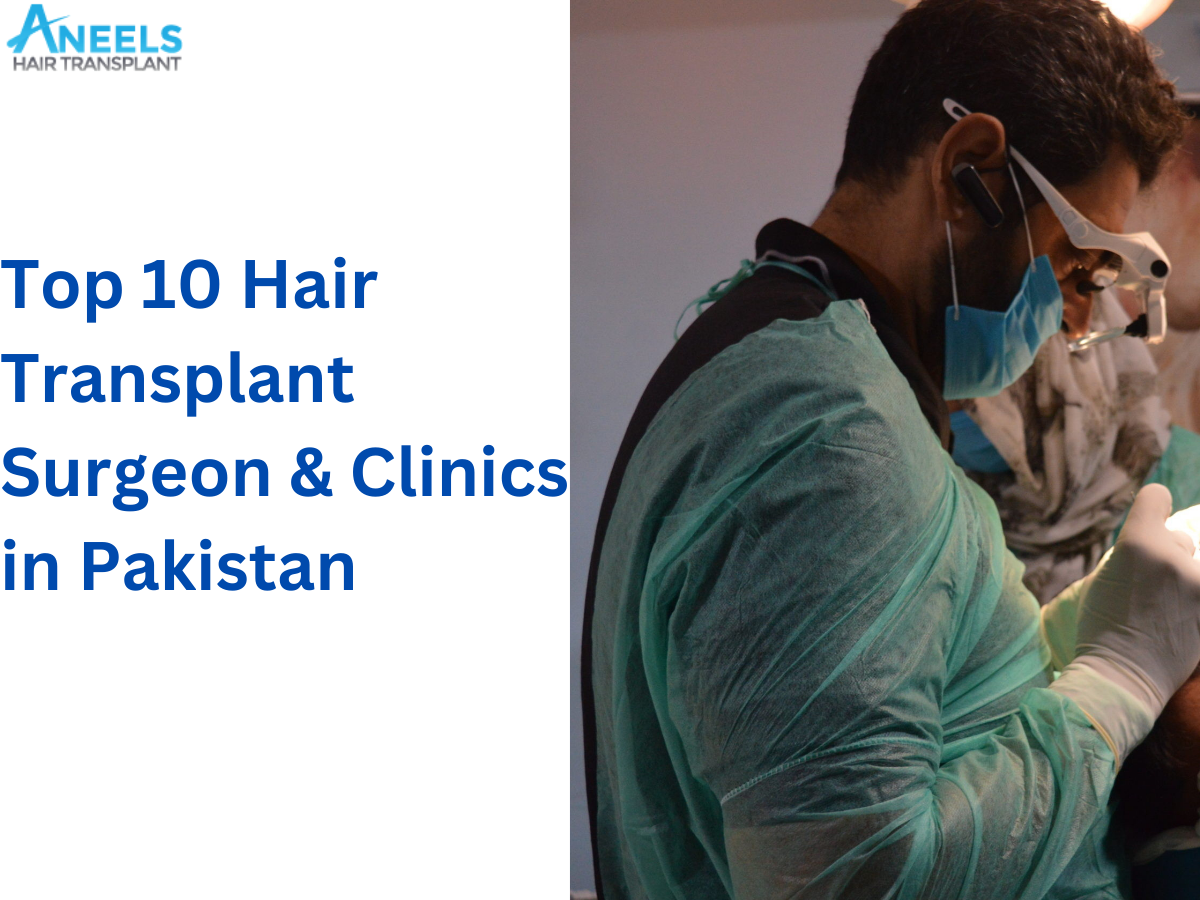
Top 10 Hair Transplant Surgeon & Clinics in Pakistan

Top 10 Hair Transplant Surgeons in Pakistan | Best Clinics

Hair loss is a common concern affecting millions across Pakistan, impacting confidence and appearance. With the rise of modern hair restoration techniques, more people are seeking professional solutions to restore their natural hair. Choosing the best hair transplant in Pakistan requires evaluating both surgeons and clinics to ensure safe, effective, and lasting results. This article presents the top 10 hair transplant clinics followed by the top 10 hair transplant surgeons in Pakistan, offering a comprehensive guide for patients seeking the best care.

Top 10 Hair Transplant Clinics in Pakistan

1. Aneels Hair Transplant, Lahore

Aneels Hair Transplant, led by Dr. Aneel Riaz Batalvi, is widely recognized for offering premium hair transplant in Pakistan. With state-of-the-art techniques, personalized treatment plans, and a patient-centric approach, the clinic consistently delivers natural results. Dr. Batalvi’s expertise makes Aneels Hair Transplant a top choice for patients seeking both affordable hair transplant in Lahore and international-standard procedures.

best hair surgeon in pakistan - Dr. Aneel Riaz Batalvi

2. Dr Abdul Khaliq’s Hair Transplant, Islamabad

Located in Khayal Plaza, Islamabad, this clinic offers FUE, FUT, and DHI hair transplant procedures. Known for its high success rates and positive patient reviews, it remains one of the leading hair transplant clinics in Pakistan.

3. JJ Aesthetics – Islamabad & Rawalpindi

JJ Aesthetics provides a combination of hair, skin, and plastic surgery treatments. Their Direct Hair Implant (DHI) technique ensures minimal scarring and pain-free procedures. Patients praise the clinic for its consistent and natural results.

4. Dr. Rana Irfan Hair Transplant, Islamabad

This clinic has earned high ratings for patient care and technical expertise. Dr. Rana Irfan focuses on individualized treatment plans, ensuring optimal graft placement and natural hairline design.

5. Dr Habib Hair Transplant & Plastic Surgery Clinic, Peshawar

Recognized for painless hair transplant procedures and personalized care, this clinic is considered among the best hair transplant clinics in Pakistan. Their emphasis on FUE and FUT techniques makes them a trusted destination.

6. Hair Transplant & Skin Aesthetics Solution Laser, Islamabad

Led by Dr. Izhar Ahmad, this clinic combines advanced technology with experienced staff, offering high-quality results for patients seeking premium hair transplant in Pakistan.

7. Glamorous Hair Transplant, Islamabad

Specializing in FUE, FUT, BioFibre, and PRF treatments, this clinic is praised for meticulous planning, natural outcomes, and patient-friendly care.

8. Dr Salman – Hair Transplant Expert, Islamabad

Dr. Salman is known for his detailed hairline design and dense graft placement. The clinic has a reputation for transforming patient confidence with natural results.

9. Hair Plus, Peshawar

With high patient satisfaction, Hair Plus focuses on modern FUE and FUT hair restoration, making it one of the leading hair transplant clinics in Pakistan.

10. AlKhaleej Clinics, Karachi

Offering quick procedures with natural-looking results, AlKhaleej Clinics has become a go-to destination for patients seeking affordable hair transplant in Pakistan without compromising quality.

Top 10 Hair Transplant Surgeons in Pakistan

1. Dr. Aneel Riaz Batalvi – Lahore

Clinic: Aneels Hair Transplant

Regarded as the best hair surgeon in Pakistan, Dr. Aneel Riaz Batalvi combines nearly two decades of expertise with international recognition. As a Diplomate of the ABHRS and an ISHRS-certified Gold Standard surgeon, his credentials place him in an elite global category of hair doctors. Patients consistently rate him highly for his natural results, advanced FUE/FUT techniques, and balance of affordable and premium hair transplant options in Lahore.

2. Dr. Abdul Khaliq – Islamabad

With hundreds of successful surgeries, Dr. Khaliq has earned a reputation as one of the best hair doctors in Pakistan. His expertise in DHI and FUE ensures long-lasting results with minimal downtime.

3. Dr. Rana Irfan – Islamabad

Known for his pioneering work in hair restoration, Dr. Irfan is a highly respected hair expert in Pakistan, particularly for his natural hairline design.

4. Dr. Habib – Peshawar

Dr. Habib is widely recognized for his skill in combining plastic surgery with hair restoration, offering patients a holistic approach to aesthetics.

5. Dr. Salman – Islamabad

Dr. Salman focuses on detail-oriented planning and execution. His patients value his thorough consultations and natural density outcomes.

6. Dr. Izhar Ahmad Malik – Islamabad

With extensive experience in modern transplantation techniques, Dr. Malik is often recommended for patients looking for advanced FUE and PRP therapies.

7. Dr. Waris Anwar – Lahore

Dr. Anwar is a trusted hair specialist in Lahore, known for his professional approach and high patient satisfaction rates.

8. Prof. Dr. Farid Ahmad Khan – Lahore

A senior name in cosmetic and hair surgery, Prof. Khan combines his expertise in plastic surgery with advanced hair transplant procedures.

9. Dr. Burhan Ashraf – Lahore

Specializing in FUE and PRP, Dr. Burhan has built a strong reputation for his competence and natural-looking results.

10. Dr. Aasma Tayyab Khan – Islamabad

As one of the few women recognized in this field, Dr. Aasma Tayyab Khan is a leading dermatologist and hair restoration expert with thousands of satisfied patients.

How to Choose the Best Hair Surgeon in Pakistan

Selecting the right surgeon is critical to achieving successful and natural-looking results. Patients should consider:

Credentials & Certification: Look for surgeons certified by ABHRS or ISHRS.

Experience & Specialization: Choose surgeons who specialize in FUE, FUT, and facial hair restoration.

Patient Reviews & Testimonials: Real results and patient satisfaction reflect the surgeon’s reliability.

Clinic Facilities: Advanced equipment, hygiene standards, and comfort are essential.

Cost & Packages: Transparent pricing for premium hair transplant in Pakistan ensures no hidden costs.

Dr. Aneel Riaz Batalvi excel in all these areas, making them the preferred choice for both local and international patients seeking the best hair transplant in Pakistan.

Statistics and Insights

  • According to the International Society of Hair Restoration Surgery, FUE procedures have grown by over 20% in Asia in the last five years, with Pakistan emerging as a hub for quality hair restoration.
  • Surveys indicate that patients prioritize natural-looking results, safety, and surgeon experience over cost when choosing a hair transplant clinic.
  • Clinics in Lahore and Islamabad consistently rank higher due to advanced techniques and internationally trained surgeons.

Final Thoughts

Pakistan offers world-class hair restoration services, with clinics and surgeons combining advanced technology, international certifications, and patient-centered care. Among them, Aneels Hair Transplant, led by Dr. Aneel Riaz Batalvi, stands out as the best hair surgeon in Pakistan, delivering premium results with natural hairlines, personalized treatment plans, and both affordable and high-end options.

For those seeking the top 10 hair transplant surgeons in Pakistan, Dr. Aneel Riaz Batalvi, alongside experts like Dr. Abdul Khaliq, Dr. Rana Irfan, and Dr. Habib, provides a trusted pathway to restore confidence and achieve lasting hair restoration results.

Choosing the right certified hair surgeon ensures safety, efficacy, and natural results making informed decisions the first step toward reclaiming your hair and confidence.

Read more...
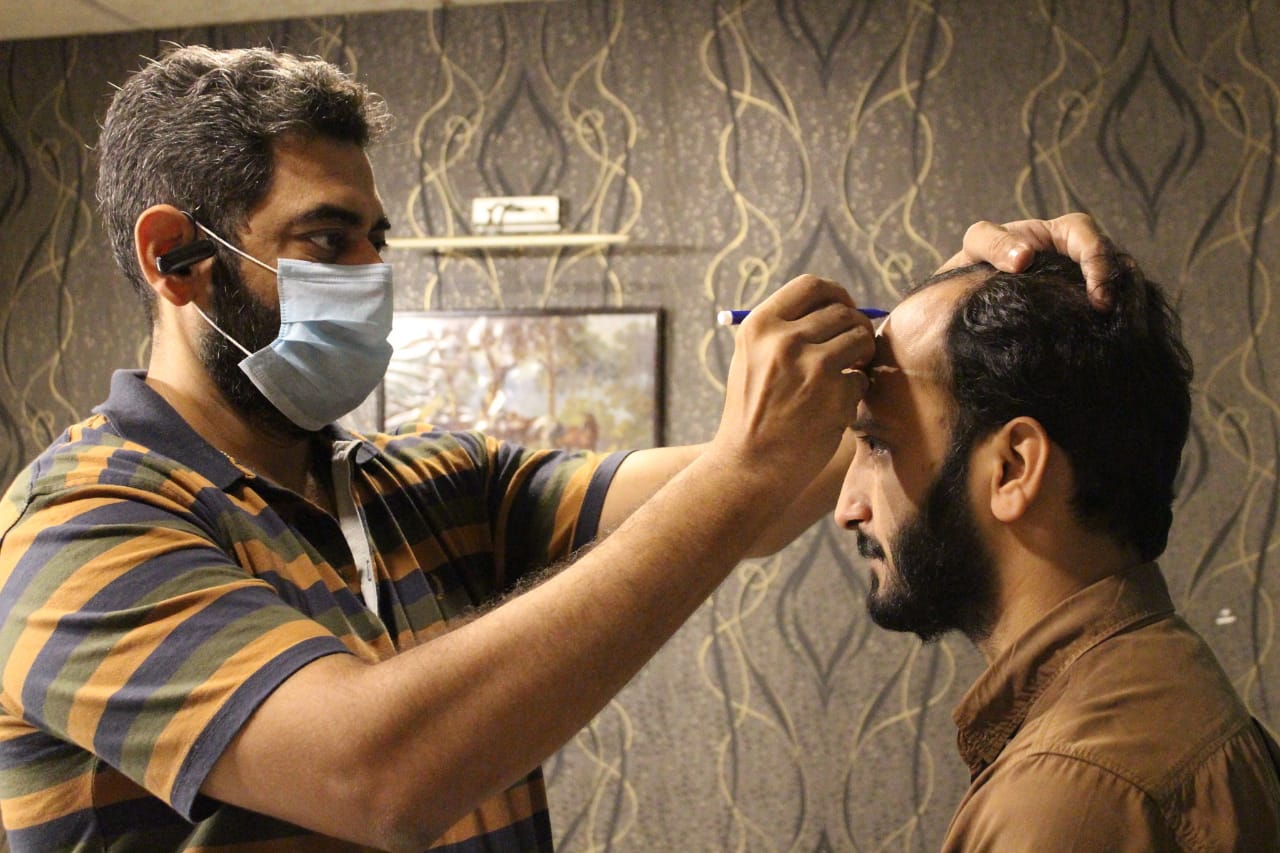
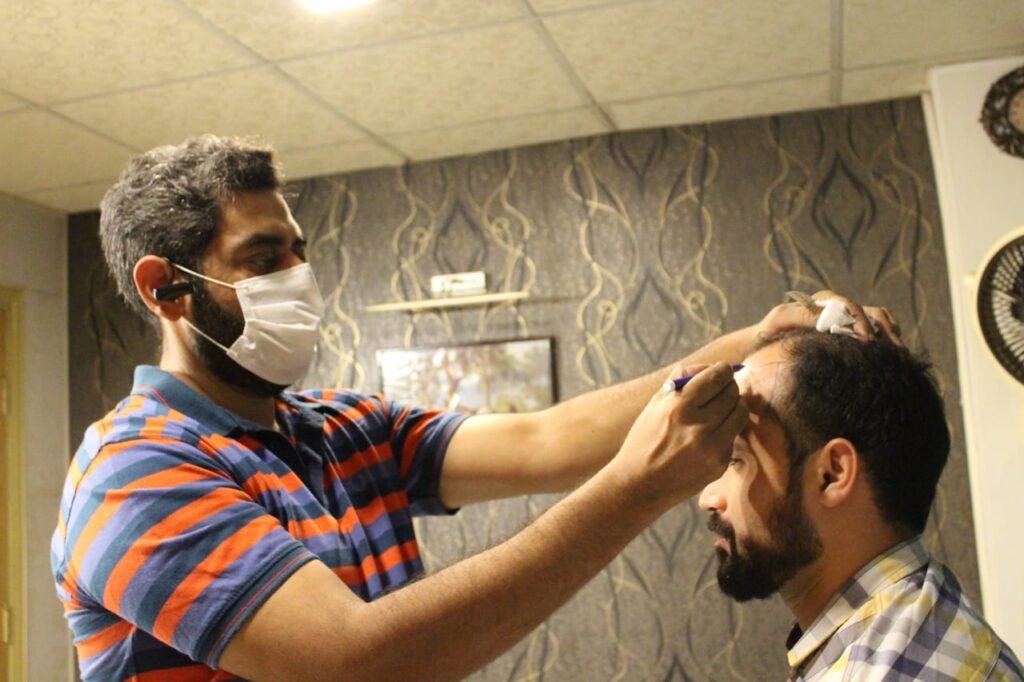
Dr aneel riaz batalvi doing hair line marking

Hair Transplant Cost in Pakistan | Updated Price 2026

Hair transplant has become one of the most popular cosmetic procedures in Pakistan due to its affordability and long-lasting results. With modern techniques like FUE (Follicular Unit Extraction) and FUT (Follicular Unit Transplant), thousands of patients every year opt for this permanent solution to hair loss. The cost of a hair transplant in Pakistan depends mainly on the number of grafts required, the surgeon’s expertise, and the city where the procedure is performed. Below is a complete breakdown of per-graft cost, major graft packages, and city-wise pricing across Pakistan.

Hair Transplant Cost in Pakistan Per Graft

In 2025, the average per graft cost of a hair transplant in Pakistan ranges from PKR 60 to PKR 100 depending on the clinic, surgeon experience, and technique.

Most clinics calculate the total procedure cost based on the number of grafts a patient needs.

Hair Transplant Price Per Graft in Pakistan

GraftsAverage Cost (PKR)Best For
1,00060,000 – 90,000Early thinning, hairline repair
2,000100,000 – 160,000Mild baldness
3,000150,000 – 220,000Moderate baldness
4,000200,000 – 300,000Advanced baldness
10,000800,000 – 1,200,000Severe baldness (multiple sessions)

Meet Dr. Aneels Riaz Batalvi

For patients in Lahore and nearby cities, Aneels Hair Transplant Clinic led by Dr. Aneels Riaz Batalvi is a trusted name in advanced hair restoration in Pakistan. Known for his expertise in FUE and FUT techniques, Dr. Aneels provides:

  • Affordable and transparent pricing
  • Natural-looking hairline design
  • High graft survival rates
  • Personalized treatment plans

Patients from across Pakistan choose Aneels Hair Transplant for professional care and permanent results.

Dr Aneel Discussing when to get hair transplant in Lahore

Hair Transplant Price in Lahore

Lahore is considered the hub of hair transplant in Pakistan, with many renowned clinics and experienced surgeons.

  • Cost per graft: PKR 60 – 80
  • Package range: PKR 90,000 – 250,000
  • Lahore also offers advanced FUE and PRP add-ons at affordable rates.

Hair Transplant Cost in Major Cities of Pakistan (2026)

CityCost per Graft (PKR)Package Range (PKR)Highlights
Karachi70 – 100120,000 – 280,000Premium clinics with international standards
Islamabad80 – 100120,000 – 300,000Slightly higher cost, premium setups
Multan60 – 7580,000 – 180,000Emerging clinics, affordable options
Faisalabad60 – 7570,000 – 170,000Increasingly popular, budget-friendly
Sialkot60 – 7070,000 – 150,000Limited but growing clinic availability
Peshawar55 – 7060,000 – 140,000Most affordable city for hair transplant

Final Comments

The cost of hair transplant in Pakistan 2026 ranges from PKR 60,000 to 300,000 for most cases, while extensive procedures like 10,000 grafts may exceed PKR 1,000,000. Lahore, Karachi, and Islamabad are the leading cities with advanced facilities, while Multan, Faisalabad, Sialkot, and Peshawar offer more affordable options.

If you’re looking for a safe and permanent solution to baldness, consulting a trusted hair expert like Dr. Aneels Riaz Batalvi in Lahore ensures both affordability and high-quality results.red results.

Read more...

What Is the Ideal Age for a Hair Transplant?

One of the most common questions patients ask is: what is the ideal age for a hair transplant? With hair loss affecting people earlier than ever, especially in their twenties, it is important to understand when a hair transplant is appropriate and when it may be better to wait.

A hair transplant is a permanent medical procedure, and timing plays a crucial role in achieving natural, long-lasting results. At Aneels Hair Transplant, all procedures are performed under the supervision of Dr. Aneel Riaz Batalvi (M.B.B.S, M.R.C.S), a Shelly A. Friedman award-winning Diplomat of the American Board of Hair Restoration Surgery (ABHRS). With over 19 years of experience, Dr. Aneel is among the most senior and internationally certified hair restoration surgeons in Pakistan, following International Society of Hair Restoration Surgery (ISHRS) gold standards.

Is There a Fixed Ideal Age for a Hair Transplant?

There is no single “perfect” age that applies to everyone. Instead, suitability for a hair transplant depends on multiple factors such as:

  • Stability of hair loss
  • Pattern and cause of hair loss
  • Donor area strength
  • Long-term hair loss progression
  • Patient expectations

Age is important, but it is not the only deciding factor.

Hair Transplant in Your Early 20s: Is It Too Early?

Many young adults in their early twenties seek hair transplant surgery due to early hairline recession or thinning. While this age group may be emotionally affected by hair loss, surgery is often not immediately recommended.

Why early transplants can be risky

  • Hair loss pattern is still evolving
  • Future hair loss is unpredictable
  • Overuse of donor hair at a young age can limit future options

In most cases, young patients benefit more from medical therapy, PRP treatment, and close monitoring before considering surgery.

Key point: A hair transplant at a very young age may look unnatural later if hair loss continues.

Hair Transplant in Your Late 20s to Early 30s

This is often considered a more suitable age range for many patients. By this time:

  • Hair loss patterns are clearer
  • Progression can be better predicted
  • Donor area density is usually strong

Patients in this age group can achieve natural-looking results when surgery is carefully planned.

At Aneels Hair Transplant, Dr. Aneel Riaz Batalvi evaluates long-term hair loss risk before recommending surgery, ensuring age-appropriate hairline design and donor preservation.

Hair Transplant in Your 30s and 40s

For many individuals, the 30s and 40s represent an ideal balance between hair loss stability and donor availability.

Advantages of this age group

  • Hair loss pattern is usually well established
  • Lower risk of unexpected future baldness
  • Easier to plan density and coverage
  • More predictable long-term results

Patients in this age range often achieve excellent, natural, and permanent outcomes when surgery is performed by an experienced surgeon.

Hair Transplant After 50: Is It Still Effective?

Hair transplant surgery can still be successful after 50, provided the patient has:

  • A healthy donor area
  • Good scalp condition
  • Realistic expectations

Age alone does not disqualify someone. However, hair characteristics such as texture, density, and scalp elasticity are carefully evaluated. At Aneels Hair Transplant, patient health and donor quality are prioritized over age numbers.

Factors More Important Than Age

1. Stability of Hair Loss

A transplant should ideally be done when hair loss has stabilized or is well-controlled with medical treatment.

2. Donor Area Strength

The donor area is a limited resource. Strong donor density ensures long-term success.

3. Cause of Hair Loss

Hair transplant is suitable for:

  • Androgenetic alopecia
  • Stable scarring alopecia

It is not recommended for active inflammatory or untreated medical hair loss.

4. Long-Term Planning

A responsible surgeon plans not just for today’s hairline, but for how it will look 10–20 years later.

Why Waiting Can Sometimes Be the Best Decision

In younger patients, delaying surgery while using:

  • Medical therapy
  • PRP treatments
  • Lifestyle modifications

can help preserve hair and reduce the extent of future surgical needs.

Dr. Aneel Riaz Batalvi is known for his ethical approach, often advising patients to wait when surgery is not yet in their best interest.

The Importance of Surgeon Experience

The success of a hair transplant is not determined by age alone, but by who performs the procedure. Incorrect timing or aggressive hairline design can lead to unnatural results.

At Aneels Hair Transplant, Dr. Aneel Riaz Batalvi:

  • Is a Shelly A. Friedman award winner
  • Is a Diplomat of the American Board of Hair Restoration Surgery
  • Is among the few Gold Standard Certified ISHRS surgeons in Pakistan

This ensures every patient receives treatment that meets international safety and aesthetic standards.

Personalized Evaluation at Aneels Hair Transplant

Each patient undergoes:

  • Detailed scalp and donor analysis
  • Hair loss pattern assessment
  • Family history evaluation
  • Long-term hair restoration planning

This personalized approach ensures that surgery is performed at the right time, for the right reasons.

Final Comments

So, what is the ideal age for a hair transplant?
The answer depends less on age and more on hair loss stability, donor strength, and long-term planning.

While many patients achieve excellent results in their late 20s, 30s, and 40s, younger individuals often benefit from non-surgical treatments first. Older patients can also be suitable candidates if donor conditions are favorable.

At Aneels Hair Transplant, patients are guided by Dr. Aneel Riaz Batalvi, a Shelly A. Friedman award-winning ABHRS-certified surgeon with over 19 years of experience, ensuring ethical decisions, natural outcomes, and results that stand the test of time.

Read more...

Hair Loss in Young Adults: Why It’s Becoming More Common

Hair loss was once considered a concern primarily associated with middle age or later years. Today, an increasing number of young adults in their late teens, twenties, and early thirties are experiencing noticeable hair thinning and hairline recession. This growing trend has raised an important question: why is hair loss becoming more common in young adults?

At Aneels Hair Transplant, patients are treated under the expert care of Dr. Aneel Riaz Batalvi (M.B.B.S, M.R.C.S), a Shelly A. Friedman award-winning Diplomat of the American Board of Hair Restoration Surgery (ABHRS). With over 19 years of experience, Dr. Aneel is one of the most senior and internationally certified hair restoration surgeons in Pakistan, providing treatment aligned with International Society of Hair Restoration Surgery (ISHRS) standards.

Understanding Hair Loss in Young Adults

Hair loss in young adults is often unexpected and emotionally distressing. Unlike temporary shedding, early-onset hair loss is frequently progressive if left untreated. It may appear as:

  • Receding hairline
  • Thinning at the crown
  • Excessive daily shedding
  • Reduced hair density

Early diagnosis is critical because hair follicles are easier to preserve in the early stages.

1. Genetics and Early-Onset Androgenetic Alopecia

The most common cause of hair loss in young adults is androgenetic alopecia, also known as male or female pattern hair loss. Genetics play a major role, and susceptibility can be inherited from either parent.

In genetically predisposed individuals, hair follicles become sensitive to DHT (dihydrotestosterone). Over time, this hormone causes follicles to shrink, leading to thinner hair and eventually stopping growth altogether.

Key point: Genetics may determine susceptibility, but early intervention can slow progression significantly.

2. Chronic Stress and Lifestyle Pressure

Modern lifestyles expose young adults to persistent stress from:

  • Academic pressure
  • Career demands
  • Financial concerns
  • Sleep deprivation

Chronic stress can trigger telogen effluvium, a condition where hair prematurely enters the shedding phase. While stress-related hair loss is often temporary, prolonged stress can accelerate genetic hair loss in susceptible individuals.

Managing stress is an essential component of hair preservation in young adults.

3. Poor Diet and Nutritional Deficiencies

Dietary habits have changed dramatically over the years. Many young adults rely on fast food, processed meals, and irregular eating patterns. Deficiencies in key nutrients can weaken hair follicles.

Common nutritional deficiencies linked to hair loss include:

  • Iron
  • Protein
  • Zinc
  • Vitamin D
  • B-complex vitamins

Poor nutrition does not usually cause permanent baldness on its own, but it can trigger excessive shedding and worsen existing hair loss.

4. Hormonal Imbalances

Hormonal changes can significantly impact hair health in young adults. Conditions such as:

  • Thyroid disorders
  • Polycystic ovary syndrome (PCOS) in women
  • Elevated androgen levels

can disrupt the normal hair growth cycle and lead to thinning or shedding.

Hormonal hair loss often requires medical evaluation and targeted treatment for effective recovery.

5. Excessive Use of Styling Products and Heat

Frequent use of:

  • Hair gels and sprays
  • Heat styling tools
  • Chemical treatments

can weaken hair shafts and irritate the scalp. While these factors do not directly cause follicle loss, they contribute to hair breakage and reduced hair quality, making thinning more noticeable.

Maintaining proper hair care habits is especially important for young adults already experiencing hair loss.

6. Smoking and Environmental Factors

Smoking reduces blood flow to hair follicles and increases oxidative stress, both of which negatively affect hair growth. Additionally, pollution and environmental toxins can contribute to scalp inflammation, further weakening follicles. These factors may not be primary causes but often accelerate hair loss progression.

How to Identify Early Hair Loss

Young adults should seek professional evaluation if they notice:

  • Persistent shedding lasting more than three months
  • Visible scalp through hair
  • Gradual hairline recession
  • Family history of early hair loss

Early-stage hair loss is the most responsive to treatment.

Treatment Options for Young Adults

At Aneels Hair Transplant, Dr. Aneel Riaz Batalvi focuses on preserving existing hair and restoring density using evidence-based treatments:

1. Medical Therapy

Medications like Minoxidil help stimulate weakened follicles and slow hair loss progression when started early.

2. PRP Therapy

Platelet-Rich Plasma (PRP) therapy improves scalp circulation and strengthens miniaturized follicles, making it ideal for young patients in early stages.

3. Lifestyle and Nutritional Guidance

Customized advice on diet, stress management, and hair care supports long-term hair health.

4. Hair Transplant Surgery

In advanced cases, hair transplant surgery may be recommended. Young patients are carefully evaluated to ensure natural-looking, age-appropriate results that account for future hair loss patterns.

Why Early Treatment Matters

Hair follicles that have completely miniaturized cannot be revived. Delaying treatment often leads to:

  • Permanent follicle loss
  • Reduced treatment effectiveness
  • More extensive surgical needs later

Early intervention helps maintain density and delays or prevents advanced baldness.

Expert Care at Aneels Hair Transplant

Patients at Aneels Hair Transplant benefit from the expertise of Dr. Aneel Riaz Batalvi, a Shelly A. Friedman award-winning ABHRS-certified surgeon and Gold Standard Certified member of the International Society of Hair Restoration Surgery (ISHRS).

Dr. Aneel’s approach includes:

  • Accurate diagnosis
  • Ethical treatment planning
  • International-standard surgical and non-surgical solutions

This ensures safe, natural, and long-lasting outcomes for young adults experiencing hair loss.

Final Comments

Hair loss in young adults is becoming increasingly common due to a combination of genetics, stress, poor nutrition, hormonal imbalance, and lifestyle factors. While this trend can be concerning, early diagnosis and proper treatment make a significant difference.

With expert care, modern therapies, and timely intervention, young adults can effectively manage hair loss and preserve their confidence. At Aneels Hair Transplant, patients receive world-class hair restoration services under Dr. Aneel Riaz Batalvi, ensuring results that meet international standards and support long-term hair health.

Read more...
best hair surgeon in lahore | Dr. Aneel Riaz Batalvi

Best Hair Transplant in Pakistan | 2026 Updates

Hair restoration in Pakistan has evolved significantly over the last decade. With advanced techniques, internationally certified surgeons, and cost-effective treatment options, Pakistan has become a preferred destination for patients seeking reliable and natural hair transplant results. As we enter 2026, patients are increasingly searching for the best hair transplant in Pakistan, focusing on safety, surgeon expertise, and long-term outcomes rather than just price.

This comprehensive guide explains what defines top-rated hair transplant services in Pakistan, the latest updates for 2026, and why Aneels Hair Transplant is recognized among the most trusted hair restoration centers in the country.

Why Pakistan Is a Leading Destination for Hair Transplant in 2026

Pakistan has gained international recognition for hair restoration due to several key factors:

  • Highly qualified and internationally certified surgeons
  • Adoption of modern hair transplant techniques
  • Strict clinical protocols and patient safety standards
  • Significantly lower costs compared to Western countries
  • Personalized treatment plans with natural-looking results

Patients looking for the best hair transplant services in Pakistan are no longer limited to basic procedures. Clinics now offer advanced follicular extraction, customized hairline design, and evidence-based medical support.

What Defines the Best Hair Transplant in Pakistan?

Not all clinics deliver the same quality. In 2026, the best hair transplant centers in Pakistan share the following characteristics:

1. Board-Certified and Experienced Surgeon

The success of a hair transplant depends primarily on the surgeon’s expertise. The best outcomes are achieved when procedures are performed and supervised by internationally certified specialists with extensive experience.

At Aneels Hair Transplant, procedures are led by Dr. Aneel Riaz Batalvi (M.B.B.S, M.R.C.S), a Shelly A. Friedman Award-Winning Diplomat of the American Board of Hair Restoration Surgery (ABHRS). With over 19 years of experience, he is among the most senior hair restoration surgeons in Pakistan.

2. International Standards and Certifications

Top-rated hair transplant clinics follow globally recognized protocols. Dr. Aneel Riaz Batalvi is also a Gold Standard Certified Hair Restoration Surgeon from the International Society of Hair Restoration Surgery (ISHRS), ensuring treatments that meet international medical benchmarks.

3. Advanced Hair Transplant Techniques (2026 Updates)

In 2026, the best hair transplant in Pakistan relies on refined, minimally invasive methods, including:

  • FUE (Follicular Unit Extraction) for natural density and minimal scarring
  • Precision graft placement for proper angle, direction, and hairline design
  • Improved graft survival rates through advanced handling and implantation protocols

Outdated techniques that compromise results are no longer considered acceptable in top-rated clinics.

Personalized Hairline Design

Natural results are not achieved through graft count alone. The best hair transplant services in Pakistan emphasize:

  • Face-specific hairline design
  • Age-appropriate density planning
  • Consideration of future hair loss progression

At Aneels Hair Transplant, each hairline is individually designed by Dr. Aneel Riaz Batalvi, ensuring results that remain natural and balanced over time.

Hair Transplant Safety Standards in 2026

Modern patients are increasingly focused on safety and long-term outcomes. Leading clinics prioritize:

  • Sterile operating environments
  • One-patient-per-day surgical scheduling
  • Use of single-use instruments where applicable
  • Continuous monitoring during and after the procedure

These protocols are critical when choosing the best hair transplant in Pakistan, particularly for patients traveling from abroad.

Pre- and Post-Procedure Care

Top-rated hair transplant services in Pakistan do not end with surgery. Comprehensive care includes:

  • Detailed pre-operative evaluation
  • Clear expectations and realistic outcome planning
  • Post-operative follow-ups
  • Medical therapy support when required

This integrated approach significantly improves graft survival and final density.

Who Is an Ideal Candidate for Hair Transplant in 2026?

The best clinics conduct thorough assessments to determine candidacy. Ideal candidates typically include individuals with:

  • Stable donor area
  • Pattern hair loss (male or female)
  • Good overall health
  • Realistic expectations

At Aneels Hair Transplant, patients undergo scalp analysis and medical evaluation to ensure suitability and optimal long-term results.

Cost vs Quality: What Matters in 2026

While Pakistan is known for affordable procedures, patients searching for the best hair transplant services in Pakistan should focus on value rather than low cost. The cheapest option often compromises:

  • Surgeon involvement
  • Graft survival
  • Natural appearance

High-quality results require experience, planning, and precision—factors that define top-rated hair transplant clinics.

Why Aneels Hair Transplant Is Considered Among the Best in Pakistan

Aneels Hair Transplant stands out due to:

  • Leadership of Dr. Aneel Riaz Batalvi, ABHRS-certified and award-winning
  • Over 19 years of surgical experience
  • Compliance with ISHRS international standards
  • Ethical patient selection and honest consultations
  • Focus on natural, long-term results rather than volume-based surgery

Patients seeking the best hair transplant in Pakistan value credibility, safety, and predictable outcomes—all central to the practice philosophy at Aneels Hair Transplant.

Hair Transplant Results: What to Expect

In 2026, patients can expect:

  • Natural hair growth starting around 3–4 months
  • Noticeable density improvement by 6–8 months
  • Full results between 12–15 months

Proper aftercare and follow-up play a critical role in final outcomes.

Best Hair Transplant in Pakistan 2026

As hair restoration continues to advance, choosing the best hair transplant in Pakistan requires careful consideration of surgeon credentials, clinical standards, and long-term planning. The most successful results come from clinics that combine medical expertise, ethical practice, and personalized care.

Aneels Hair Transplant, under the leadership of Dr. Aneel Riaz Batalvi, represents the gold standard in hair restoration in Pakistan for 2026—offering internationally certified expertise, advanced techniques, and results designed to last a lifetime.

Read more...
Seraphinite AcceleratorOptimized by Seraphinite Accelerator
Turns on site high speed to be attractive for people and search engines.