
Medications to Avoid Before Hair Transplant
Preparing for a hair transplant involves more than just choosing the right clinic and surgeon. One of the most critical yet often overlooked aspects is understanding which medications to avoid before your hair transplant. Certain drugs and supplements can increase bleeding, interfere with anesthesia, or affect the survival of transplanted grafts.
Why Avoid Certain Medications Before a Hair Transplant?
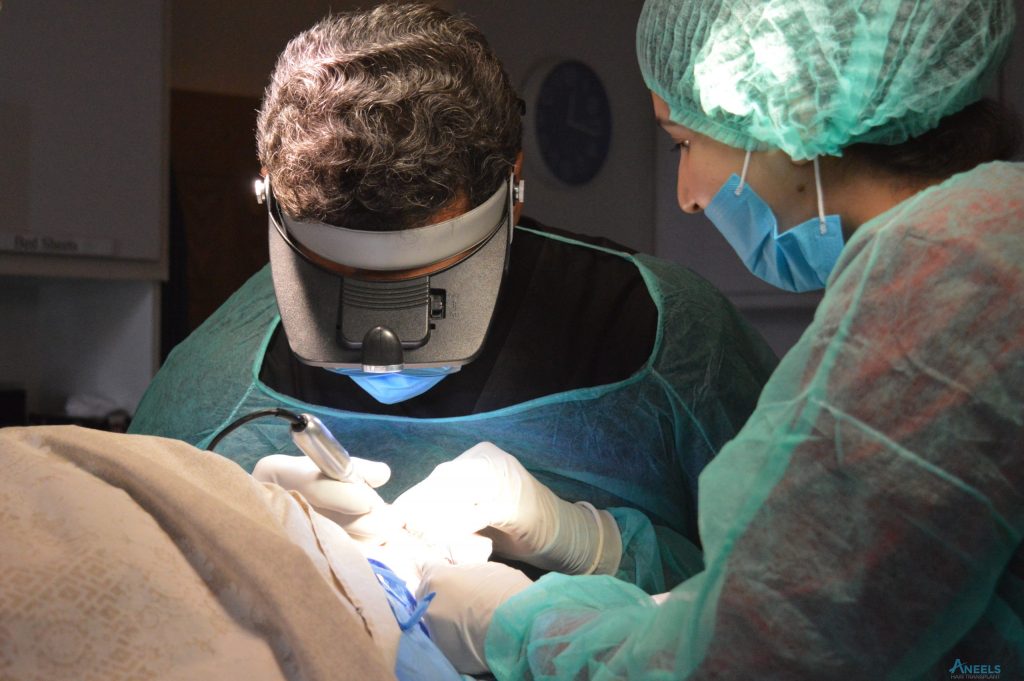
Hair transplant surgery involves making tiny incisions in the scalp to extract and implant hair follicles. Certain medications can:
- Increase bleeding during surgery
- Affect blood clotting
- Interfere with anesthesia
- Delay healing
- Reduce graft survival
Avoiding specific medications before the procedure helps ensure a smoother surgery, better healing, and optimal results.
Common Medications to Avoid Before Hair Transplant
1. Blood Thinners (Anticoagulants)
Blood-thinning medications are among the most important to avoid before surgery because they increase bleeding risk.
Examples include:
- Aspirin
- Warfarin
- Clopidogrel
These medications can lead to excessive bleeding during the procedure, making graft placement more difficult and affecting healing.
Important: Never stop prescribed blood thinners without consulting your doctor.
2. Non-Steroidal Anti-Inflammatory Drugs (NSAIDs)
NSAIDs are commonly used for pain relief but can interfere with platelet function.
Examples:
- Ibuprofen
- Naproxen
These medications should usually be avoided at least 5–7 days before surgery, as they may increase bleeding risk.
3. Herbal Supplements
Many patients assume herbal supplements are safe, but some can significantly affect blood clotting and blood pressure.
Common supplements to avoid:
- Ginkgo biloba
- Garlic supplements
- Ginseng
- Fish oil (omega-3 in high doses)
- Vitamin E
These can increase bleeding or interfere with the healing process.
4. Corticosteroids
Long-term or high-dose corticosteroid use can weaken the immune system and delay healing.
Patients using steroids should inform their surgeon so proper adjustments can be made before the procedure.
5. Antidepressants and Anti-Anxiety Medications
Some medications used for mental health conditions may interact with anesthesia or affect bleeding.
Examples:
- Selective serotonin reuptake inhibitors (SSRIs)
- Benzodiazepines
Do not stop these medications on your own. Your surgeon will coordinate with your physician if any adjustments are needed.
6. Hair Loss Medications (When to Pause)
Medications like Minoxidil and Finasteride are commonly used for hair loss, but they may be temporarily paused before surgery.
- Minoxidil is often stopped a few days before surgery to reduce scalp sensitivity
- Finasteride is usually continued, but may vary based on individual cases
Your surgeon will provide specific guidance based on your treatment plan.
7. Blood Pressure Medication
Some blood pressure medications can affect how your body responds during surgery. It is essential to inform your surgeon about all medications you are taking.
In most cases, these medications are continued, but adjustments may be made if necessary.
How Long Before Surgery Should Medications Be Stopped?
The timing depends on the type of medication:
- Blood thinners: 7–10 days before surgery (with medical approval)
- NSAIDs: 5–7 days before
- Herbal supplements: 7–10 days before
- Minoxidil: 2–3 days before (if advised)
Always follow your surgeon’s personalized instructions, as every patient’s situation is different.
What Happens If You Don’t Stop These Medications?
Failing to stop certain medications can lead to:
- Excessive bleeding during surgery
- Poor visibility for graft placement
- Increased risk of infection
- Delayed healing
- Lower graft survival rate
This is why pre-operative preparation is taken seriously at Aneels Hair Transplant.
Safe Alternatives Before Surgery
If you need pain relief or supplements before surgery, your surgeon may recommend safer alternatives.
For example:
- Paracetamol may be used instead of NSAIDs
- Balanced nutrition instead of supplements
Always consult your surgeon before taking any medication before your procedure.
Importance of Full Medical Disclosure
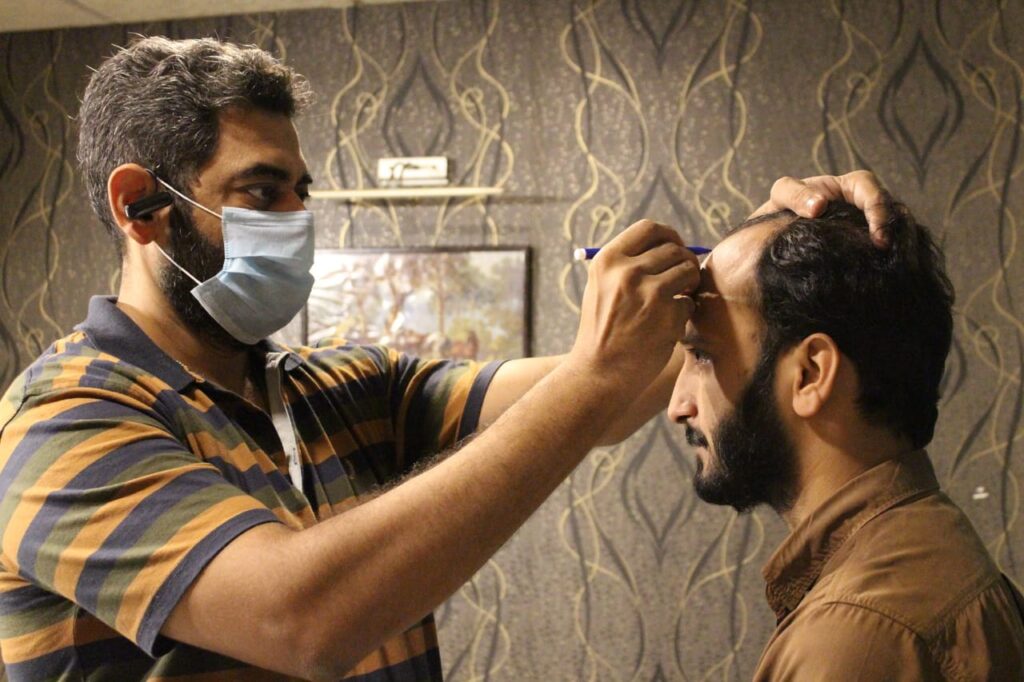
One of the most important steps before your hair transplant is providing a complete medical history. This includes:
- Prescription medications
- Over-the-counter drugs
- Herbal supplements
- Vitamins
At Aneels Hair Transplant, Dr. Aneel Riaz Batalvi carefully reviews each patient’s medical history to ensure a safe and successful procedure.
Pre-Surgery Checklist
To ensure proper preparation:
- Inform your surgeon about all medications
- Stop restricted medications as advised
- Avoid self-medication
- Follow pre-operative instructions strictly
- Maintain a healthy diet and hydration
This checklist helps reduce risks and improve surgical outcomes.
Why Expert Guidance Matters
Medication management before a hair transplant is a critical part of the procedure. Aneel Riaz Batalvi ensures:
- Safe pre-operative planning
- Personalized medication guidelines
- Minimal surgical risks
- Optimal graft survival and results
As a Shelly A. Friedman award-winning ABHRS-certified surgeon and a Gold Standard Certified member of ISHRS, Dr. Aneel provides internationally recognized standards of care.
Final Comments
Knowing which medications to avoid before your hair transplant is essential for a safe procedure and successful results. Blood thinners, NSAIDs, herbal supplements, and certain other medications can increase risks if not managed properly. By following professional guidance and preparing correctly, patients can minimize complications and improve the outcome of their hair transplant.
At Aneels Hair Transplant, patients receive expert care from Dr. Aneel Riaz Batalvi, a Shelly A. Friedman award-winning Diplomat of the American Board of Hair Restoration Surgery with over 19 years of experience. With personalized planning and international standards, patients can undergo their procedure with confidence and achieve natural, long-lasting results.