

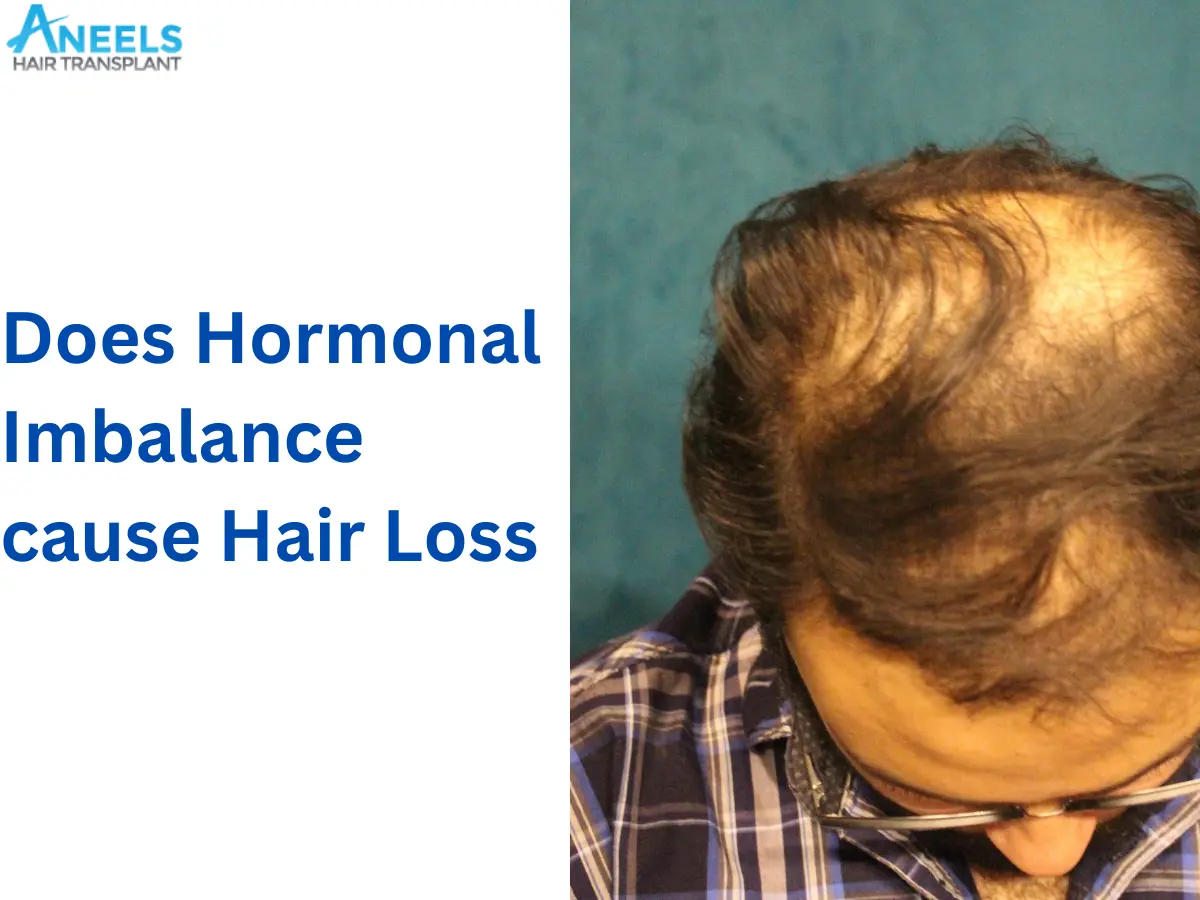
Does Hormonal Imbalance Cause Hair Loss?
Hair loss is a common concern for both men and women, and while genetics play a major role, hormonal changes are often an overlooked trigger. Many patients wonder: does hormonal imbalance cause hair loss, and if so, which hormones are involved? Understanding the connection between hormones and hair health is crucial for early diagnosis and effective treatment.
At Aneels Hair Transplant, we provide internationally recognized hair restoration services under the guidance of Dr. Aneel Riaz Batalvi (M.B.B.S, M.R.C.S) a Shelly A. Friedman award-winning Diplomat of the American Board of Hair Restoration Surgery (ABHRS). With over 19 years of experience, Dr. Aneel is one of Pakistan’s most senior and certified hair restoration surgeons, delivering treatments in line with International Society of Hair Restoration Surgery (ISHRS) standards. This guide explains hormonal imbalance and hair loss, the hormones most commonly involved, and what steps you can take to preserve and restore your hair.
Hormonal Imbalance and Hair Loss
Hormones play a central role in regulating hair growth cycles. When hormone levels fluctuate abnormally, hair follicles can be affected, leading to hair loss due to hormonal imbalance.
Common patterns include:
- Gradual thinning across the scalp
- Receding hairline in men
- Widening part line in women
- Excessive shedding, often noticeable on pillow, comb, or shower drain
This type of hair loss is often diffuse rather than forming clear bald patches, although persistent imbalances can accelerate genetic hair loss patterns.
Can Hormone Imbalance Cause Hair Loss?
Yes. Multiple studies and clinical experience confirm that hormone imbalance hair loss is a real phenomenon. Hormonal fluctuations can impact the hair growth cycle, particularly the anagen (growth) phase, causing follicles to shrink or enter a resting phase prematurely.
Common causes include:
- Pregnancy and postpartum changes
- Menopause
- Thyroid disorders
- Polycystic Ovary Syndrome (PCOS)
- Cortisol imbalance due to chronic stress
- Androgen imbalance (e.g., DHT sensitivity)
By identifying the exact hormonal cause, you can implement targeted therapies to stabilize hair growth.
What Hormone Imbalance Causes Hair Loss?
Understanding which hormones influence hair is key to diagnosis:
1. Androgens (Testosterone & DHT)
- Excess dihydrotestosterone (DHT) can shrink hair follicles
- Often leads to male and female pattern hair loss
- Patients may ask: does hormonal imbalance cause hair loss in women too? Yes, DHT sensitivity can affect both genders
2. Thyroid Hormones
- Hypothyroidism or hyperthyroidism can disrupt the hair growth cycle
- Leads to diffuse thinning, often across the scalp
- Correcting thyroid levels usually improves hair density
3. Estrogen and Progesterone
- Fluctuations during pregnancy, postpartum, or menopause may cause temporary shedding
- Postpartum shedding is a classic example of hair loss hormone imbalance
4. Cortisol
- Chronic stress elevates cortisol, contributing to stress-related hormonal hair loss
- Interferes with normal follicle function, leading to diffuse thinning
5. Insulin and Other Metabolic Hormones
- Conditions like PCOS can increase androgen levels, causing hair thinning
- Balancing metabolic hormones can improve regrowth
Signs of Hair Loss Due to Hormonal Imbalance
You may have hair loss due to hormonal imbalance if you notice:
- Diffuse thinning across the scalp rather than isolated patches
- Excessive shedding after pregnancy or during menopause
- Slower hair growth or finer strands
- Noticeable widening of the part line in women
- Hair shedding accompanied by other symptoms like fatigue, weight changes, or irregular periods
Early identification is key, because prolonged imbalance can cause permanent follicle miniaturization.
How to Diagnose Hormonal Hair Loss
Professional evaluation is essential to determine if hair loss hormone imbalance is the primary cause. Diagnostic steps include:
- Medical History Review – checking for pregnancy, menopause, thyroid issues, PCOS, or stress triggers
- Blood Tests – evaluating thyroid hormones, DHT, estrogen, progesterone, cortisol, and other relevant markers
- Scalp Examination – using trichoscopy to assess hair density, miniaturization, and follicular health
- Pattern Analysis – differentiating hormonal hair loss from genetic or stress-related shedding
At Aneels Hair Transplant, Dr. Aneel Riaz Batalvi provides precise diagnostic assessment and a personalized treatment plan.
Treatment Options for Hair Loss Due to Hormonal Imbalance
1. Correcting the Underlying Hormonal Issue
- Thyroid disorders, PCOS, or menopause-related changes can often be managed medically
- Stabilizing hormones is the first step to reversing hair loss
2. Topical and Medical Therapies
- Minoxidil for stimulating hair growth
- Anti-androgens for women with high DHT sensitivity
- Prescription medications under medical supervision
3. PRP (Platelet-Rich Plasma) Therapy
- Promotes follicle rejuvenation
- Enhances response to medical therapies
- Often used alongside hormone stabilization
4. Hair Transplant Surgery
- For advanced or irreversible thinning, transplant may be necessary
- Dr. Aneel Riaz Batalvi performs FUE and FUT procedures using internationally certified standards, restoring natural density and hairline
How to Regain Hair Loss from Hormonal Imbalance
Recovery depends on early intervention and addressing the root cause. Steps include:
- Medical management of the specific hormonal imbalance
- Nutritional optimization to support follicle health
- Stress reduction and lifestyle adjustments
- Professional hair restoration treatments if follicles are miniaturized
Patients who follow a targeted approach often experience significant improvement in hair loss hormone imbalance within months.
Preventing Future Hormonal Hair Loss
While not all hormonal fluctuations can be avoided, the following measures reduce risk:
- Regular medical check-ups for thyroid, reproductive, and metabolic health
- Maintaining balanced nutrition rich in protein, iron, zinc, and vitamins
- Managing stress through exercise, meditation, or therapy
- Early consultation with hair restoration specialists at the first signs of thinning
Final Thoughts
Hormonal imbalance can cause hair loss, but with proper diagnosis and treatment, regrowth is possible in most cases. Understanding which hormones are affecting your follicles whether androgens, thyroid hormones, estrogen, progesterone, or cortisol is key to stopping further shedding and restoring healthy hair.
At Aneels Hair Transplant, Dr. Aneel Riaz Batalvi a Shelly A. Friedman award-winning ABHRS-certified surgeon offers comprehensive evaluation and treatment for hair loss due to hormonal imbalance. By combining medical therapy, PRP, and, when necessary, advanced hair transplant procedures, patients receive personalized care following the highest international standards.
If you notice thinning, shedding, or unusual hair loss patterns, early consultation is essential. Addressing hair loss hormone imbalance promptly ensures the best chance for natural regrowth and long-term scalp health.




Customer Reviews
Showing 0 reviews
Thanks for submitting your comment!