

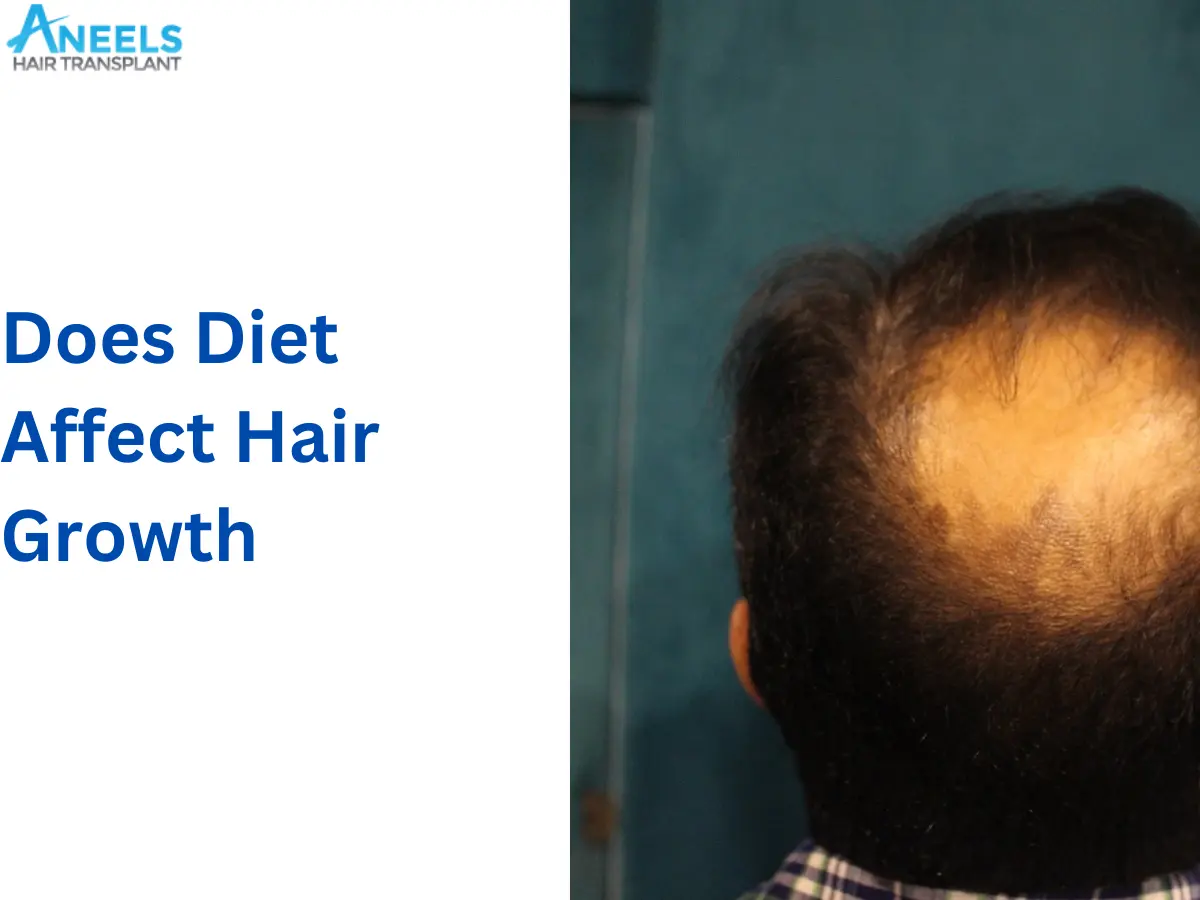
Does Diet Affect Hair Growth? | Nutrition & Hair Health
Healthy hair starts from within. Many people ask, does diet affect hair growth, especially when they notice thinning, shedding, or slower hair regrowth. The truth is that what you eat plays a crucial role in maintaining strong, healthy hair. Poor nutrition can contribute to hair loss, while a balanced diet can enhance follicle health, prevent shedding, and support new growth.
At Aneels Hair Transplant, all assessments and treatments are conducted under the guidance of Dr. Aneel Riaz Batalvi (M.B.B.S, M.R.C.S), a Shelly A. Friedman award-winning Diplomat of the American Board of Hair Restoration Surgery (ABHRS). With over 19 years of experience, Dr. Aneel is one of Pakistan’s most senior and internationally certified hair restoration surgeons, delivering treatments that follow the International Society of Hair Restoration Surgery (ISHRS) gold standards. This guide explores the relationship between nutrition and hair health, the nutrients essential for strong hair, and dietary practices that promote hair growth.
How Diet Affects Hair Growth
Hair is primarily composed of keratin, a protein that requires adequate nutrition to grow and remain strong. Follicles rely on vitamins, minerals, and proteins to produce hair strands. When your diet lacks essential nutrients, hair may become:
- Thin and brittle
- Prone to breakage
- Slow-growing
- Prone to excessive shedding
This is often referred to as nutritional hair loss. Although genetics and hormonal factors also play a role, diet can amplify or mitigate hair loss.
Key Nutrients for Healthy Hair Growth
Certain nutrients are particularly important for preventing hair loss and supporting growth:
1. Protein
Hair is made of keratin, which is a protein. Insufficient protein intake can cause weak, brittle hair and slow growth.
Sources: Eggs, fish, poultry, legumes, dairy products
2. Iron
Iron deficiency is a common cause of hair loss, particularly in women. Iron is necessary for delivering oxygen to hair follicles.
Sources: Red meat, spinach, lentils, fortified cereals
3. Zinc
Zinc plays a vital role in hair tissue growth and repair. Deficiency can lead to hair shedding and poor follicle health.
Sources: Nuts, seeds, whole grains, seafood
4. Vitamins A, C, and E
- Vitamin A supports scalp oil production and follicle health
- Vitamin C helps collagen formation and iron absorption
- Vitamin E protects follicles from oxidative stress
Sources: Carrots, sweet potatoes, citrus fruits, leafy greens, nuts
5. Biotin (Vitamin B7)
Biotin strengthens hair and may reduce hair thinning, especially in deficiency states.
Sources: Eggs, nuts, seeds, avocados
6. Omega-3 Fatty Acids
Omega-3s nourish hair follicles, reduce inflammation, and support scalp health.
Sources: Fatty fish, flaxseeds, chia seeds, walnuts
Does Hair Loss Due to Poor Diet Grow Back?
If hair loss is caused primarily by nutritional deficiencies, regrowth is usually possible once the deficiencies are corrected. Patients often ask: can diet alone restore hair growth?
While diet is critical, hair recovery may also require:
- Medical therapy like Minoxidil for better stimulation
- PRP therapy to rejuvenate weakened follicles
- Lifestyle modifications including stress management and proper sleep
At Aneels Hair Transplant, Dr. Aneel Riaz Batalvi evaluates patients comprehensively to determine whether hair loss is due to nutritional, hormonal, or genetic factors, and then creates a tailored treatment plan.
Common Dietary Mistakes That Affect Hair Health
- Skipping Meals or Low-Protein Diets – Insufficient protein directly weakens hair.
- Iron-Poor Diets – Not consuming enough iron-rich foods can trigger shedding.
- High-Sugar Diets – Excess sugar promotes inflammation and can impair follicle function.
- Excessive Vitamin A – Over-supplementation can paradoxically cause hair loss.
- Poor Hydration – Dehydration can make hair dry and brittle, slowing growth.
How to Regain Hair Loss From Poor Diet
To restore hair affected by diet:
- Identify Deficiencies – Blood tests can reveal iron, zinc, and vitamin levels.
- Balanced Diet – Incorporate protein, vitamins, minerals, and healthy fats.
- Targeted Supplements – Under medical supervision, biotin, iron, and multivitamins may support recovery.
- Medical Therapy – Minoxidil, PRP, or low-level laser therapy can accelerate regrowth if follicles are weakened.
- Stress and Lifestyle Management – Chronic stress or poor sleep can exacerbate hair loss even with a healthy diet.
Does Diet Affect Hair Growth in Genetic or Hormonal Hair Loss?
While nutrition alone may not reverse genetic or hormonal hair loss, it supports follicle health and maximizes results from medical or surgical treatments. Healthy follicles respond better to:
- Hair transplant surgery
- PRP therapy
- Minoxidil or Finasteride therapy
Thus, maintaining a nutrient-rich diet is beneficial whether hair loss is due to stress, hormonal imbalance, or genetics.
Tips for a Hair-Friendly Diet
- Include lean proteins daily
- Consume iron-rich foods like spinach, lentils, and red meat
- Eat fruits and vegetables high in vitamins A, C, and E
- Incorporate healthy fats such as omega-3s from fish or seeds
- Stay hydrated
- Avoid crash diets and highly processed foods
These practices not only support hair growth but also improve overall health, which in turn promotes strong and resilient hair.
Professional Support for Diet-Related Hair Loss
If you notice thinning, breakage, or shedding, professional evaluation is recommended. At Aneels Hair Transplant, Dr. Aneel Riaz Batalvi provides:
- Comprehensive blood tests to detect nutritional deficiencies
- Digital scalp analysis to assess follicle health
- Personalized treatment plans combining diet, medical therapy, PRP, and hair restoration if needed
This approach ensures that patients regain optimal hair growth while addressing the underlying nutritional or medical causes.
Final Comments
Yes, diet affects hair growth. Poor nutrition can lead to weakened hair, thinning, and shedding, while a balanced diet rich in protein, vitamins, minerals, and healthy fats supports follicle health and promotes regrowth.
For patients experiencing hair loss due to poor diet, early intervention is essential. Combining a nutrient-rich diet with professional evaluation and treatments—such as PRP therapy, Minoxidil, or surgical restoration provides the best results.
At Aneels Hair Transplant, patients receive expert care under Dr. Aneel Riaz Batalvi, a Shelly A. Friedman award-winning ABHRS-certified surgeon with over 19 years of experience. By addressing hair loss causes comprehensively, including diet, stress, hormones, and genetics, patients achieve healthier, thicker, and stronger hair.




Customer Reviews
Showing 0 reviews
Thanks for submitting your comment!