

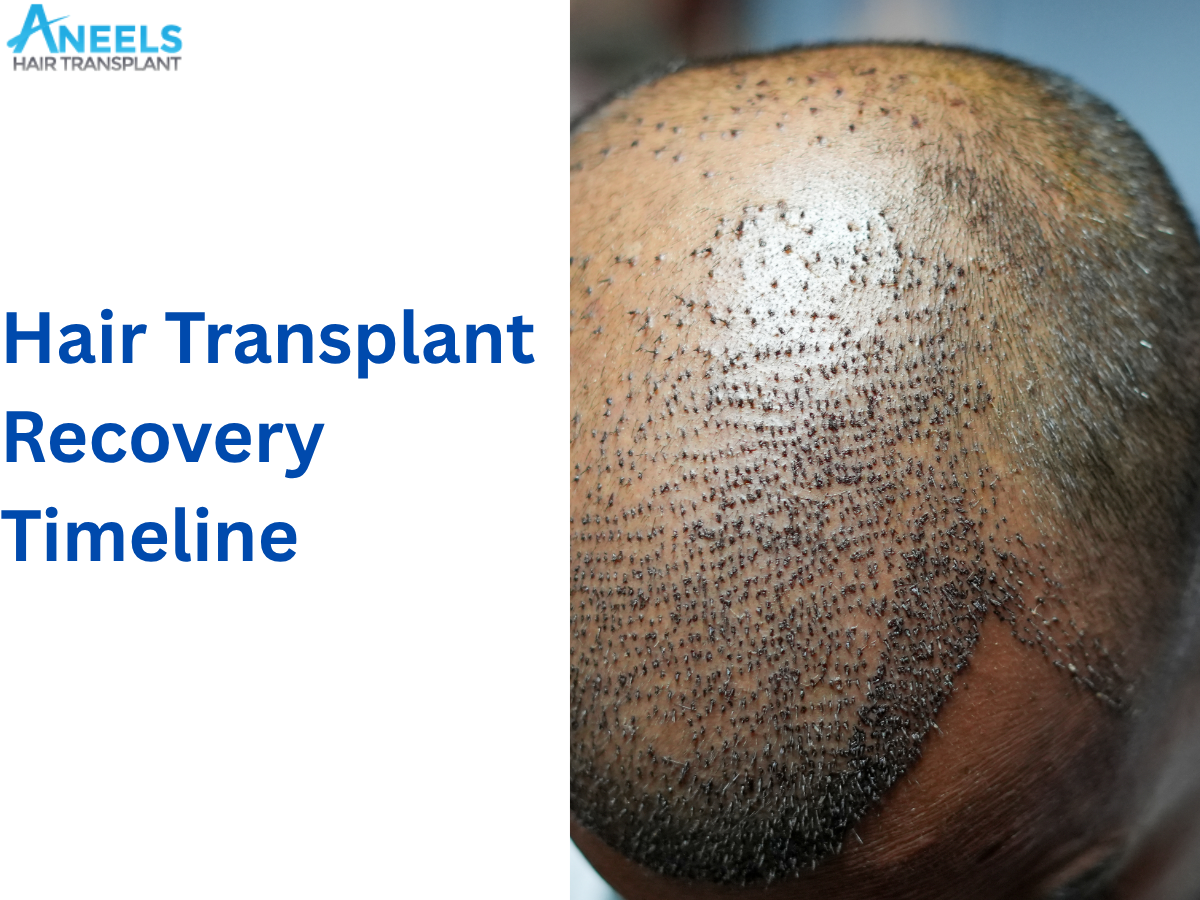
Hair Transplant Recovery Timeline: What to Expect
A hair transplant is a transformative procedure that delivers long-term, natural-looking results. However, one of the most common concerns patients have is about the recovery process. Understanding the hair transplant recovery timeline helps set realistic expectations and ensures a smooth healing journey.
Many patients wonder what happens after the procedure and how long it takes to see visible results. The truth is that hair restoration is a gradual process, and each phase plays an important role in the outcome.
Why Understanding the Recovery Timeline Is Important
Hair transplant results do not appear overnight. The recovery process involves multiple stages, including healing, shedding, and regrowth.
Knowing what to expect helps you:
- Stay patient during temporary shedding phases
- Avoid unnecessary stress or panic
- Follow proper aftercare instructions
- Achieve the best possible results
Day 1–3: Immediate Post-Procedure Phase
Right after your hair transplant, the scalp may feel sensitive. This is completely normal.
What you may experience:
- Mild swelling or redness
- Tiny scabs around transplanted grafts
- Slight discomfort or tightness
What to do:
- Follow your surgeon’s instructions carefully
- Avoid touching or scratching the scalp
- Sleep with your head elevated
At Aneels Hair Transplant, patients receive detailed aftercare guidance to ensure safe and comfortable recovery.
Week 1: Initial Healing Stage
During the first week, your scalp begins to heal.
What happens:
- Scabs start forming and gradually fall off
- Redness begins to reduce
- Donor area heals quickly
Important tips:
- Wash your hair gently as instructed
- Avoid direct sun exposure
- Do not engage in heavy physical activity
By the end of the first week, most visible signs of surgery start to improve.
Weeks 2–4: Shock Loss Phase
This is one of the most important—and often misunderstood—stages.
What happens:
- Transplanted hair begins to shed
- Some existing hair may also fall out temporarily
This process is known as shock loss, and it is completely normal.
Key point:
The hair shafts fall out, but the hair follicles remain intact beneath the skin. These follicles will start producing new hair in the coming months.
Month 1–3: Resting Phase
During this phase, it may appear that little progress is being made.
What to expect:
- Minimal visible hair growth
- The scalp looks similar to the pre-surgery condition
- Hair follicles remain in a resting stage
This is a natural part of the hair growth cycle, and patience is essential during this period.
Month 3–4: Early Growth Begins
This is when you start noticing the first signs of new hair growth.
What happens:
- Fine, thin hair begins to emerge
- Growth may appear uneven initially
Important note:
The new hair may look soft and light in color at first. This is temporary and will improve over time.
Month 5–6: Noticeable Improvement
At this stage, visible progress becomes more encouraging.
What to expect:
- Increased hair density
- Thicker hair strands
- Improved overall appearance
Patients begin to see the transformation, although full results are still developing.
Month 7–9: Significant Growth Phase
This is when the results become more apparent.
What happens:
- Hair becomes stronger and thicker
- Density improves across transplanted areas
- Hairline looks more defined and natural
Most patients feel confident about their decision at this stage.
Month 10–12: Final Results
By this time, the majority of the results are visible.
What to expect:
- Full hair growth in transplanted areas
- Natural hair texture and direction
- Long-lasting and permanent results
The transplanted hair continues to grow like natural hair and can be cut, styled, and maintained normally.
Factors That Affect Recovery Timeline
Every patient’s recovery may vary depending on several factors:
1. Individual Healing Ability
Some people heal faster than others, depending on overall health and lifestyle.
2. Extent of Hair Loss
Larger transplant sessions may require slightly longer recovery.
3. Surgical Technique
Advanced techniques like FUE often result in quicker healing.
4. Post-Operative Care
Following aftercare instructions plays a major role in the speed of recovery and the results.
Tips for Faster and Better Recovery
To achieve optimal results, follow these essential tips:
- Avoid smoking and alcohol during recovery
- Maintain a healthy diet rich in protein and vitamins
- Use prescribed medications as directed
- Avoid heavy exercise for at least 1–2 weeks
- Protect your scalp from sun exposure
- Attend follow-up appointments
Proper care ensures better graft survival and healthier hair growth.
Common Concerns During Recovery
Is shedding normal?
Yes, shedding (shock loss) is a normal part of the process.
When will I see full results?
Most patients see full results within 9–12 months.
Is the procedure painful?
The procedure is performed under local anesthesia, and post-surgery discomfort is usually mild.
Why Choose Aneels Hair Transplant
Choosing the right clinic plays a major role in both the procedure and recovery experience.
At Aneels Hair Transplant, patients are treated by Dr. Aneel Riaz Batalvi, whose credentials include:
- Shelly A. Friedman Award Winner in the ABHRS Exam
- Diplomat of the American Board of Hair Restoration Surgery
- Gold Standard Certified Member of the International Society of Hair Restoration Surgery (ISHRS)
- Over 19 years of experience
This ensures that every patient receives expert care, precise surgical techniques, and proper post-operative guidance.
Final Comments
Understanding the hair transplant recovery timeline helps you stay informed and confident throughout your journey. From initial healing to full hair growth, each stage plays a vital role in achieving natural and lasting results.
While temporary shedding and slow growth may seem concerning, they are completely normal parts of the process. With patience, proper care, and expert guidance, the outcome can be highly rewarding.


Customer Reviews
Showing 0 reviews
Thanks for submitting your comment!